
dealing with Having adhd and postpartum depression
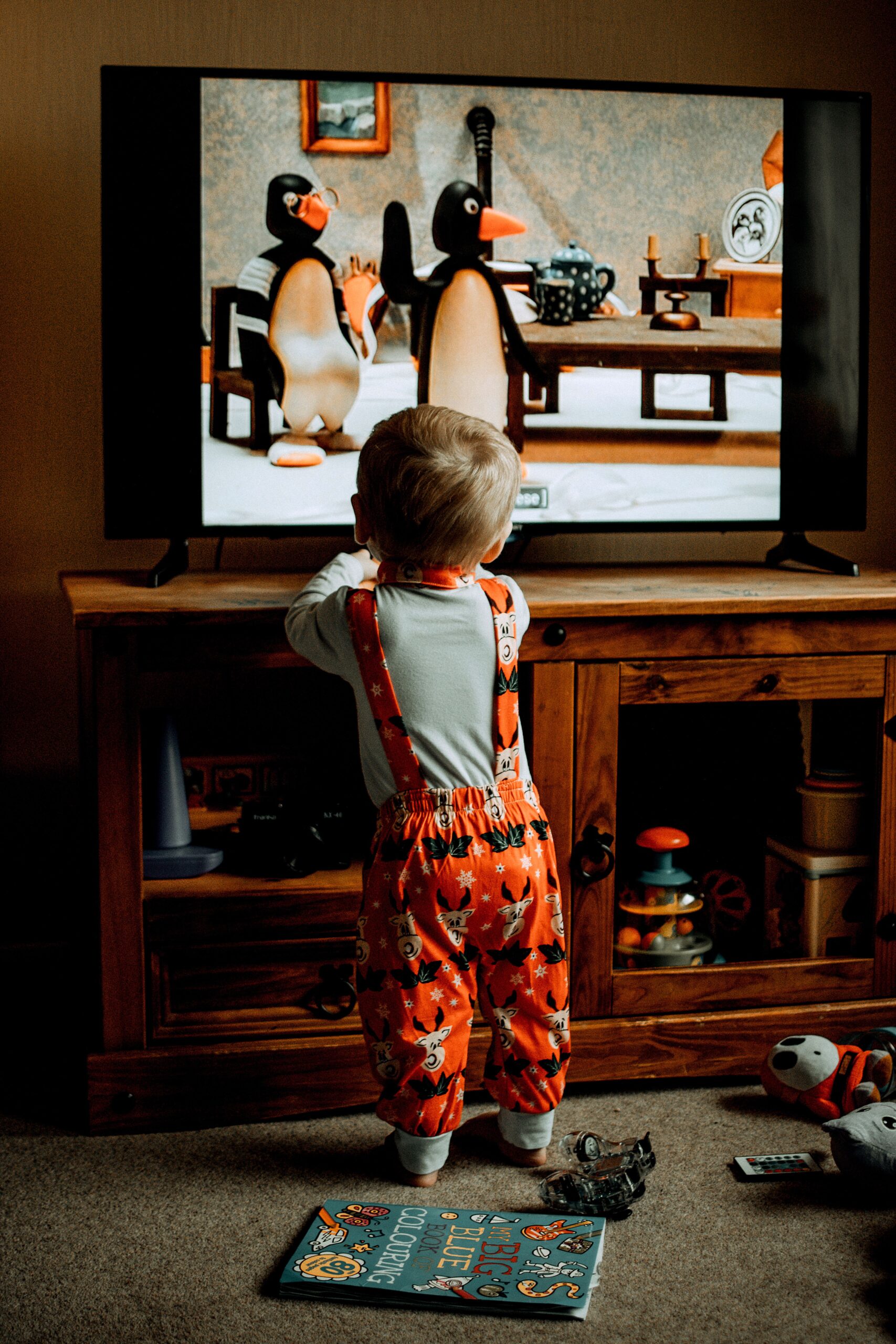
I was standing in the middle of the kitchen with a piece of toast in one hand and a laundry basket balanced on my hip. My toddler was screaming because his banana was “too curvy,” and I just… stopped.
I had no idea what I was doing.

I was standing in the kitchen making breakfast, but for a good ten seconds, I totally blanked. I forgot I’d already made coffee. The dishwasher was done. We had to leave for a doctor’s appointment in twelve minutes. But my brain just hit pause.
I just stood there, frozen. Everything around me was moving a million miles an hour, and I couldn’t keep up.
Cue the spiral. My first thought? There must be something wrong with me. Any other mom could handle a banana and a toaster without falling apart, right?
If you’ve ever felt this way, you’re not alone. And you’re definitely not being dramatic.
You’re not failing. You’re just overwhelmed. This isn’t about how hard you try or who you are. It’s just what happens when an ADHD brain tries to juggle the most demanding, unpredictable job out there: being a mom.
Why ADHD motherhood feels like a constant battle
When people hear ADHD, they usually just think, oh, you must get distracted a lot or have way too much energy. But honestly, as a mom, it feels more like you’re lugging around this giant invisible backpack stuffed with mental clutter that no one else can see or even knows is there.
Really, it’s like your brain is trying to juggle a million tiny steps all at once, and let’s be real, sometimes it just drops everything on the floor.
For most people, getting a toddler ready is just one thing to check off the to-do list. But for us? It’s more like fifty tiny steps that all have to happen in the perfect order. First, find the socks. Then, obviously, hunt for the matching sock because they’re never together. Remember the diaper bag, check for wipes, dig around for the keys, realize I’m holding some random toy, and then suddenly think, wait, did I even feed the dog this morning? It’s basically a scavenger hunt every single time.
With ADHD, your working memory is basically like a sticky note that barely sticks. It’s supposed to hold onto info just long enough for you to use it, but honestly, half the time mine falls off before I even get to the next thing.
And for moms with ADHD, those mental sticky notes? They vanish the second your toddler screams or your phone buzzes. Gone. Just like that.
It’s not that you don’t care. Your brain just lost track of something along the way. And then you spend the rest of the day feeling guilty about it, even though you didn’t even realize you missed anything until way later. Mom guilt is real, y’all.
Executive Dysfunction

Okay, so you know when you hear the words “executive dysfunction,” and it sounds super official? Like something out of a business meeting or a textbook. But really, it’s just the thing that has you sitting there, staring at a mountain of laundry for hours, totally knowing you should fold it but just not able to get yourself to actually do it.
Executive function is basically the boss of your brain. It’s supposed to help you plan, organize, and actually get started on things. But if you have ADHD, it’s like your brain’s manager just decided to take the day off right when you need them most.
Racing thoughts postpartum

There was a time when even figuring out what to make for dinner felt impossible. Not because we didn’t have food in the house, but because just thinking about all the steps checking the fridge, picking a recipe, finding the ingredients, prepping, cooking felt like way too much. I’d just stand there, staring at the fridge, totally overwhelmed.
So I’d end up plopping down on the kitchen floor, scrolling through my phone, while my kids munched on crackers for dinner. And of course, the mom guilt would hit hard. I’d sit there thinking, wow, I must be the laziest mom ever.
But here’s the thing: being lazy is a choice. Feeling stuck and paralyzed? That’s a whole different story.
The Time Blindness Trap
Let’s talk about time blindness for a second. You know that thing where you tell yourself you’ll just check your email for five minutes? And then suddenly, it’s two hours later, the sun’s gone down, and your kid is standing there with jam smeared all over their face, looking at you like, “Um, mom? What happened to dinner?” Yeah. That’s time blindness.
Here’s the thing. It’s not because you’re lazy or don’t have enough discipline. It’s literally just how our brains work. For people like us, there are really only two times: “now” and “not now.”
So when that doctor’s appointment is in the “not now” category, it just doesn’t feel urgent at all. But then suddenly, it’s “now,” and you’re running around the house like a crazy person, trying to find a shoe that’s been missing since last Tuesday.
The Mental Load and the ADHD Burnout Cycle

The mental load is all that invisible work that comes with running a household. It’s remembering your toddler needs new shoes because his toes are squished at the front. It’s knowing that Wednesday is library day, or keeping track of when everyone needs their next round of shots. It’s all those little things that no one else seems to notice, but you’re carrying around in your head all day.
For a mom without ADHD, all of this is exhausting. But for those of us with ADHD? It can feel downright impossible. Our brains struggle with working memory, so we try to compensate by overcompensating. I’d make endless lists, set a million alarms, and spend so much energy just trying to look like I had it all together. Just trying to look “normal” takes everything out of you.
And honestly, it leads to a special kind of burnout that’s hard to explain unless you’ve lived it.
I spent years pretending I had it all together. I would spend my entire day in a state of high alert, terrified that I’d forget something catastrophic. By 7 PM, I wasn’t just tired; I was emotionally depleted. I had nothing left for my kids.
That’s usually when the “mom rage” hits. It’s not that we’re angry people. We’re just completely overwhelmed and running on empty. So when your toddler spills milk, it’s not really about the mess. It’s just the last straw for a brain that’s already doing everything it can to keep it together.
How to stop the spiral when you forget something
Honestly, the hardest part of being a mom with ADHD isn’t even the forgetting. It’s the shame that comes right after.
I used to beat myself up, thinking, “I can’t even do this simple thing. Why am I like this? My kids deserve a mom who remembers stuff.”
But here’s the thing: the first step to breaking that cycle is changing the story you’re telling yourself. You’re not a bad mom. You’re just a mom with a brain that needs different tools.
Stop saying sorry for how your brain works.
When you forget something, try to stop the “I’m so sorry, I’m such an idiot” reflex. Instead, try: “My brain dropped that piece of information. Let me find it.”
It sounds small, but changing those words takes the blame off you as a person and puts it on a simple mistake. It really does help keep the shame from taking over.
Your worth is not tied to how much you get done.
We’ve all been told that being a “good mom” means being super organized. Like, if your house is spotless and your calendar is color-coded, you must be crushing it at motherhood.
But that’s just not true.
Your kids honestly don’t care whether the laundry is folded or has been sitting in a basket for weeks (ask me how I know). They care that you love them, that you’re there, and that you’re trying. A messy house doesn’t mean there’s no love inside.
Give yourself grace for the “gap.”
There’s always that gap between what you know you should do and what you can actually do in the moment. When that happens (and it will), try not to fight it.
If you can’t do the whole cleaning routine, just do one thing. Put away a few shirts. That totally counts as a win. Doing something (even if it’s not perfect) is always better than nothing. A half-cleaned kitchen is still better than a totally messy one. That’s the ADHD mental load for you.
I’m not about to give you a giant list of steps, because let’s be real, we’d probably forget them halfway through anyway. I’m all about low-friction strategies. Stuff that works even when you’re running on three. Get everything out of your head as soon as you think of it.
Externalize everything immediately

If you ever catch yourself thinking, “Oh, we need more diapers,” do not trust your brain to remember it. Trust me, my brain is basically a leaky bucket when it comes to stuff like that. I either scribble it on the whiteboard in our kitchen or just dump it into the notes app on my phone. Don’t stress about making it cute or organized. Just get it out of your head and onto something you can actually see.
The goal isn’t to make a perfect list.
The goal is just to make a list, period. It’s all about clearing out space in your brain so you can actually relax. I used to lose my keys, my wallet, and honestly, my sanity every single morning. So now, I have what I call a “Launch Pad.” It’s just a tray by the door: keys, wallet, diaper bag, and the kids’ shoes all go there the second we walk in. If it’s not on the launch pad, it basically doesn’t exist in my world. Skipping the whole “search phase” in the morning saves me so much mental energy before 9 AM.
Ever notice how you magically get way more done when someone else is around? Turns out, that’s actually a real thing called body doubling.
If you’re staring down a pile of mail or a playroom that looks like a tornado hit it, call a friend and put them on speaker. You don’t even have to talk. Just having someone there (even virtually) helps. And try to catch yourself in the act: instead of just dropping something somewhere (which always turns into a future mess you’ll forget about), actually put it away. You won’t do it every time, and that’s totally fine. I definitely don’t. But even doing it sometimes makes a difference.
Just try it with a few things to start. It really does help cut down on the clutter that makes everything feel so overwhelming. And speaking of overwhelm, let’s talk about visual timers for the kids. Honestly, for you too.
Telling a toddler “we’re leaving in five minutes” means absolutely nothing to them. Honestly, it doesn’t mean much to us either.
Grab a visual timer, like the kind with a red disk that disappears as time ticks away. Suddenly, “five minutes” isn’t just an idea; it’s something you can actually see. It helps the kids transition without a meltdown, and honestly, it reminds me that time is actually moving, even when it feels like it’s standing still.
Dealing with the sensory overload of motherhood
If you have ADHD, you probably know all about those sensory issues. Suddenly, every sound feels cranked up to max volume, your clothes feel scratchy, and if your toddler is glued to your side while the TV blares and the dog barks, it can feel like your brain is about to explode.
When that happens, it’s like your brain hits panic mode. That’s usually when the anger or snapping starts to bubble up.
Create a “Sensory Reset”
When you get that buzzing, jittery feeling in your chest, it’s your sign to switch things up right away.
For me, sometimes that means locking myself in the bathroom for a minute and splashing cold water on my face. Or I’ll grab my noise-canceling headphones and let the kids play in their playpen while I take ten minutes to breathe.
You’re not ignoring your kids; you’re nothing like me. Visual clutter is a huge trigger for ADHD burnout. When my house is a mess, my brain feels like a mess too. But let’s be real, trying to keep your house looking Pinterest-perfect when you have ADHD is just asking for burnout.
But trying to keep a picture-perfect home with ADHD is a sure way to burn out.
So lower your expectations. Focus on what actually matters. If you can make dinner on the kitchen counter and there’s a clear path to the bathroom, you’re winning. That’s clean enough in my book.
The “Quiet Corner” Strategy

If you feel yourself getting overstimulated, give yourself permission to take a mom timeout. If your kids are old enough, just tell them, ‘Mommy’s brain is feeling a little too loud right now. I’m going to sit here and breathe for two minutes, so I can be a happy helper again.’
You’re not just helping yourself here. You’re also teaching your kids how to handle their own big feelings, and that’s a win for everyone.
Rebuilding your identity after the “Fog”
Becoming a mom totally flips your world upside down. And if you’ve got ADHD like me, it can feel like you’re just getting swallowed up by the chaos.
You’re running around just trying to keep up, apologizing for every little thing you forget, and suddenly you can’t even remember who you were before you became ‘the mom who forgets everything.’
Find your “Dopamine Anchor”
If you’ve got ADHD, your brain is always chasing that next dopamine hit. But let’s be real, motherhood, especially with toddlers, is basically the opposite. It’s the same thing on repeat; it’s exhausting, and those quick wins? Pretty much nonexistent.
So find one thing that’s just for you. Seriously. Something that actually lights you up. Maybe it’s a hobby, reading a book, or even just sneaking out for a 15-minute walk by yourself.
Don’t call it ‘self-care’ because honestly, that just sounds like another thing you’re supposed to check off your to-do list. Call it your dopamine anchor. It’s that one thing that helps you feel like you again, even when you’re deep in the mom trenches.
Stop comparing your “Behind the Scenes” to their “Highlight Reel”
You see other moms with their kids’ outfits all lined up for the week and their perfectly prepped meal containers. But you’re only seeing their best moments, not the mess behind the scenes. What you don’t see is the chaos they’re hiding. And honestly, you’re doing amazing too, even if your life doesn’t look Pinterest-perfect.
Maybe your house is a mess, but your kids feel safe and loved. Maybe you forgot the library books again, but you’re the mom who gets down on the floor and actually plays for an hour. That stuff? That’s what really matters.
Accept that you will never “Master” this
The goal isn’t to have it all together or be perfectly organized. Forcing yourself to work as everyone else will just leave you totally wiped out.
The goal is to build a life that works with your ADHD, not against it.
Some days you’ll feel like you’re crushing it. Other days, it’s cereal for dinner, and the laundry’s still sitting in the dryer (again). Both versions of you? Still a good mom.
When to seek help:
There’s a difference between regular ADHD struggles and real burnout or depression. ADHD makes everything harder, but that doesn’t mean you have to just tough it out by yourself.
If you notice you can’t feel joy anymore, or the anger is getting scary, or you feel like you’re drowning even on the ‘good’ days, it’s time to reach out for help.
Whether it’s a therapist who gets ADHD, a doctor who can talk meds, or just a group of other ADHD moms, you don’t have to carry all of this by yourself.
Asking for help isn’t a weakness. Honestly, it’s one of the best things you can do for yourself.
Put some of it down
If you’re reading this at 11 PM, your kids are finally asleep, and you’re already dreading tomorrow, I want you to do just one thing for me, okay?
Stop thinking about the “to-do” list for a second
You’re doing the hardest job out there with a brain that craves new and exciting stuff, not folding pajamas or remembering nap schedules. That takes so much behind-the-scenes effort. You’re not failing. You’re just a real person, trying to make it work in a world that wasn’t built for your brain.
Put some of it down. Seriously, you don’t have to carry it all.
If you feel like everything is spinning out of control, I’ve put together some super simple, low-pressure tools to help you get through the day without piling on more stress. Check out the Toddler Mom Sanity Saver Bundle. It’s made for the real, messy days, not the Instagram-perfect ones.
You’re doing so much better than you think. I mean it. I truly believe you’re doing an amazing job.
-Sarah