
12 Simple Routines To Make Getting Kids Ready in the Morning
With school starting soon, are you looking for simple routines to make mornings easier? To help you avoid feeling too stressed or unprepared?
Most of us start with a plan. But when your preschooler insists on rain boots on a sunny day, or your baby needs a diaper change right as you buckle them in, that plan can fall apart before breakfast. Still, mornings don’t have to be a frantic rush.
They don’t have to feel like everyone is losing.
I’ve learned that you don’t need a strict, perfect schedule. Simple morning routines that remove small hassles can make getting kids ready much easier and help prevent big meltdowns.
1. The Night-Before: Getting kids ready in the morning
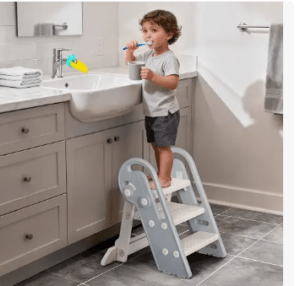
According to the American Academy of Pediatrics, preparing as much as possible the night before can help make mornings run more smoothly. A calm morning actually starts the night before. I used to think I was a morning person because I did everything after the kids woke up, but that only made me feel behind from the start. Once I moved some tasks to the evening, our mornings felt much smoother.
2. Picking Out Clothes (Even the Wrong Ones)

There’s nothing quite like the drama of a child declaring they can’t wear the blue shirt they loved yesterday, because it’s always dramatic when they suddenly refuse to wear the shirt they loved yesterday.
Now, I let them pick out their clothes the night before. If they choose a dinosaur shirt with striped pants, that’s fine with me. I lay out everything, including socks and underwear, on a chair or a set spot in the room; that’s it. They love to choose their clothes.
This helps us avoid the last-minute search for missing shoes. Shoes and coats hang out. With the bags already packed and waiting by the door, I don’t have to scramble for a permission slip or a library book while the car idles in the driveway. I’ve noticed that if I take just five minutes to tidy up this area before bed, I feel a lot less frazzled the next morning when the kids are buzzing around.
3. Simple Prep for Breakfast

You don’t need to spend hours preparing breakfast. A few small steps go a long way. I put cereal boxes or oatmeal on the counter and fill water bottles to keep in the fridge. These quick tasks save time in the morning. Sometimes I make pancakes the night before and refrigerate them.
4. Creating a Visual Sequence for Your Kids
Another tip for getting kids ready in the morning is to remember they don’t understand time the same way adults do. When I tell my four-year-old we have ten minutes, it doesn’t mean much. For them, ten minutes can feel very long or very short, depending on what they’re doing. Create a visual sequence for your kids; you can find many free examples on Pinterest.
4. Using a Picture Chart
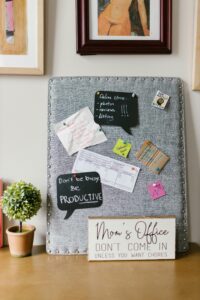
I tried giving verbal reminders like, “Brush your teeth, put on your shoes, grab your bag.” After I repeated myself several times, my kids stopped listening. So I made a simple visual chart by drawing pictures of a toothbrush, a bowl of cereal, a shirt, and a shoe on cardstock. Now, instead of reminding them over and over, I just point to the chart and ask, “What’s next on your list?” This way, the chart gives the instructions, and my kids are more motivated to finish their tasks.
5. The Power of a Timer
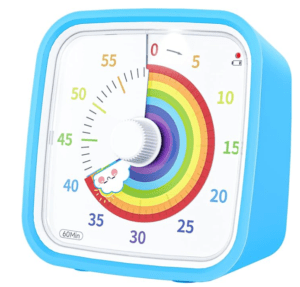
Sometimes, the hardest part is getting kids to switch from playing to getting dressed. I use a visual timer with a red disk that disappears as time passes. I have included it in my 24 must-haves for toddlers post.
I tell them, “When the red is gone, it’s time to put on our shirts.” This gives them a clear signal that time is passing and helps them prepare for the next activity without feeling rushed or overwhelmed. The whole idea of “getting ready” can seem way too big. I’ve started breaking it down into smaller bits. Instead of saying, “Get dressed,” I’ll ask, “Can you find your socks?” Once they’ve put on the socks, that’s a small victory. Then I’ll follow up with “Can we put on the pants?” These small steps feel much more doable and keep the atmosphere light.
6. Low-Stress Breakfast Ideas and Habits

Breakfast is often the hardest part of the morning. With picky eaters and messes, it can feel overwhelming. I’ve found that simple and predictable breakfasts work best.
7. The “Choice of Two” Method
To avoid long breakfast arguments, I offer two healthy choices. For example, I’ll ask, “Do you want yogurt or toast?” Limiting it to two options helps kids feel in control while keeping things simple. It’s much easier than asking, “What do you want for breakfast?”
8. Finger Foods and Low-Mess Options

I like quick, easy foods for busy mornings; it’s also easier for me because both of my kids are picky eaters. My favorites are hard-boiled eggs, banana slices, or peanut butter on whole-grain toast. I avoid foods that need a lot of preparation or take too long to heat up, since that’s when kids get impatient.
9. Making the Table a Calm Space

I aim to keep the breakfast table a “no-pressure” zone. If I’m consistent, I try to keep breakfast relaxed and low-pressure. If I keep telling the kids to hurry, they get anxious and might have meltdowns. Instead, I talk about what they’re excited for at school or tell a funny story about our dog. A calm breakfast usually leads to a calmer car ride, too. Plans, life has a way of throwing us curveballs. A toy goes missing, moods shift unexpectedly, or suddenly, a favorite pair of shoes is deemed unacceptable. How we handle these little bumps in the road decides whether our morning feels “easy” or chaotic.
10. The “Five-Minute Buffer”
I’ve found it helpful to set my “internal” departure time five minutes earlier than I actually need to leave. If we need to be in the car by 8:00, I tell myself we’re heading out at 7:55 to give me a little cushion. If a shoe goes AWOL or a drink spills, I don’t have to panic because I’ve got a few extra minutes to play with.
11. Using Positive Reinforcement

Rather than dwelling on what’s not done (“Why aren’t you wearing your coat yet?”), I try to highlight what is. “I love how you got your backpack all by yourself!” Instead of focusing on what isn’t done, like asking, “Why aren’t you wearing your coat yet?”, I point out what is done: “I love how you got your backpack all by yourself!” When kids feel noticed for their efforts, they’re more likely to cooperate with harder tasks.
Because time is slipping away. But I’ve realized that my stress only adds to theirs. I’ve started taking a deep breath and softening my tone. Sometimes, just sitting down with them for a moment and saying, “I know it’s tough to get these on, but we can do it together,” can change the whole atmosphere. It might take a minute longer, but it saves the rest of the morning from turning into a struggle.
12. Finding a Rhythm That Works for Your Family

The most important thing I’ve learned is that there’s no such thing as a perfect morning. Some days go smoothly, and others feel really hard. The goal isn’t perfection, but a little more predictability. If you feel overwhelmed, don’t try to change everything at once. Start by picking out clothes the night before. Once that’s a habit, maybe add a visual chart. These small steps add up. In the end, kids won’t remember if we left on time, but they’ll remember the moments we shared.
This post covers the 12 tips I recommend for getting kids ready in the morning.
– Sarah









One Comment