15 Picky Toddler dinner ideas: Breakfast ideas include
Yesterday afternoon, I spent twenty minutes cutting a grilled cheese sandwich into perfect slices, only for my son to look at it, push it away with one little finger, and tell me that the bread looked too brown.
I just stood there in the kitchen for a moment, staring at the plate and wondering how long this would last. My son is very difficult when it comes to food. He can like something and then be completely grossed out, even tired of the food.
Good thing we live in an era where it is easy to search for recipe ideas, because that is what I do. In short, if you have ever felt this kind of frustration where you are simply trying to bring nutrients to a little human who has decided that everything is “gross,” I completely understand.
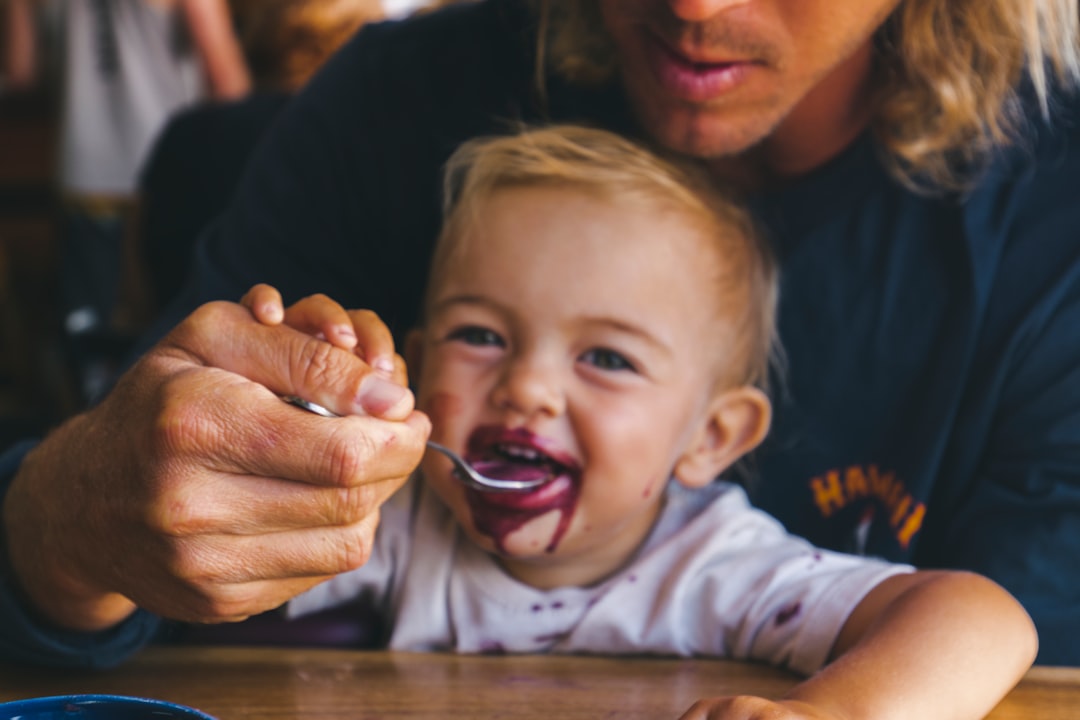
Whether they are toddlers or preschoolers, many children are picky eaters. It often feels like a guessing game. One day, they eat only blueberries and air; the next day, they want a real meal, but only if it doesn’t touch anything else on the plate. It is exhausting to keep cooking and preparing, only to end up with a plate pushed across the table. Here are my little 2 cents on what you can do if you also have picky eaters!
Do not force it

The trick, as I have noticed, is not to force them to eat what they hate. That leads to a dead end where no one wins. It is more about finding a few easy meal ideas for picky toddlers that really work by relying on their eating habits. It is about smaller portions, familiar textures, and a little creativity that does not require a culinary degree or three hours of preparation.
Simple breakfasts
Mornings are usually the most rushed part of the day. When you are looking for matching socks and preparing a diaper bag, the last thing you need is a battle around breakfast. For my children, the goal is something that gives a little energy without being too heavy.
The mini approach
Toddlers love small things. For some reason, a full-size pancake can be intimidating, but smaller pancakes are a success. Usually, I make a big batch of these products on Sunday and freeze them. In the morning, I just put two or three in the toaster. It is much less stressful than flipping pancakes while the coffee is brewing.
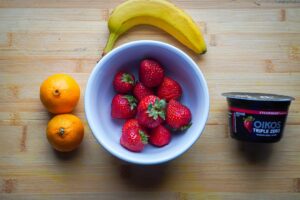
If your child prefers yogurt, try a “yogurt parfait,” but keep it very basic. I use a small, clear cup and layer plain Greek yogurt with a few pieces of sliced banana and a sprinkle of cinnamon. Letting them see the layers sometimes makes them more interested in eating it
Eggs are a classic
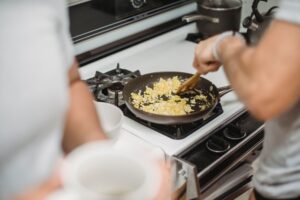
Eggs are great, but some toddlers hate the texture of scrambled eggs if they are too wet. I have noticed that making a small egg bake or “mini frittatas” in a muffin tin works better. You can slip in very finely chopped spinach or grated carrots so small that you can barely see them and cook them until they are firm. They are easy for little hands to hold and an excellent way to introduce protein early.
Another easy win is French toast sticks. I use whole-wheat bread, dip it in a cinnamon-egg mixture, and then fry it. Cutting them into sticks makes them dippable, and for some reason, everything is better when you can dip it into a small puddle of maple syrup or yogurt.
Oatmeal variations
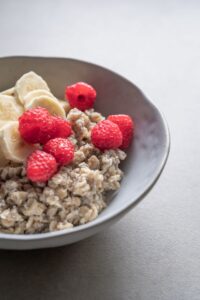
Oatmeal is a basic food, but its texture can be a factor. If your child hates “mush,” try overnight oats. I mix oats with milk and a little honey or maple syrup, then I let it sit in the fridge. It has a different, colder consistency that some children prefer.
Adding a few frozen berries on top is a nice touch. As the berries thaw, they release a bit of color into the oats, which makes the bowl look more interesting without adding any “scary” chunks of vegetables.
Lunch Ideas That Don’t End Up on the Floor
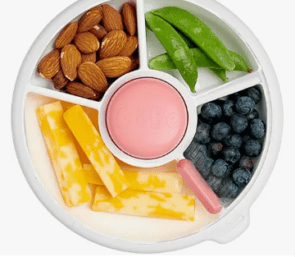
Lunch is where the real challenge happens. By midday, toddlers are often tired or distracted. The “snack plate” or “muffin tin meal” has been a lifesaver in my house. Instead of a traditional sandwich, I put a variety of small items on a divided plate.
The Deconstructed Lunch
When a child sees a sandwich, they might see too many things all at once. By deconstructing it, you give them control. I’ll put a few cubes of turkey or ham, a slice of cheddar cheese (cut into a fun shape), some crackers, and a few cucumber slices on a plate.
It’s not a “meal” in the traditional sense, but it’s a balanced set of ingredients. I’ve noticed that when they can choose what to pick up first, they’re less likely to reject the whole plate.
Quesadillas and “Cheesy Things”
Almost every toddler goes through a cheese phase. I use this to my advantage. A plain cheese quesadilla is a great base. If I’m feeling brave, I’ll blend some cauliflower or butternut squash into the cheese sauce before spreading it on the tortilla. When it’s melted and toasted, the flavor is mostly cheese, but there’s a bit of extra nutrition inside.
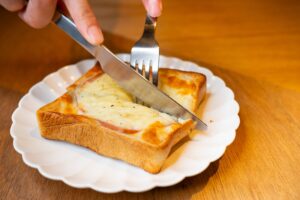
I also like making “pizza toast.” A piece of toast, a smear of tomato sauce, and a sprinkle of mozzarella. It takes two minutes in the oven and feels like a treat, but it’s a practical way to get them to eat something with a vegetable base.
Apples and Bananas
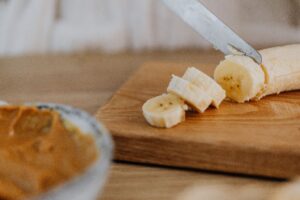
Sometimes lunch is just a bridge to dinner. I’ll offer apple slices with a small dollop of peanut butter or almond butter. I use a lot of bananas too.
The key is keeping the portions small. A giant heap of food can be overwhelming for a toddler. A few slices of apple and a small dip feel manageable and inviting.
Dinner ideas for the pickiest eaters
Dinner is often the hardest moment of the day because the baby’s meltdown window is usually wide open. My rule for dinner is to always have a safe food on the plate, something I know they will eat, like a side of corn or fruit, along with something new or less favorite.
Pasta with a twist
Pasta is the universal language of toddlers. To avoid it being just plain noodles, I make “pink sauce.” I mix a little ricotta or cream cheese into a standard marinara. It makes the sauce creamier and softer, which is often more appealing for a picky palate. It’s really good! Don’t forget to cut the spaghetti (if you use it) into tiny bits so they don’t choke on it. I usually don’t use spaghetti but normal pasta. I find it safer to use.
I also try to use different shapes. Sometimes, a bow-tie noodle suddenly becomes better than a rotini. It makes no nutritional sense, but it makes dinner time much calmer. The rule for toddlers is really simple. The more you overcomplicate things in your head, the less you will succeed.
Roasted Veggies and Finger Foods
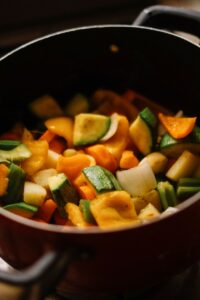
Steamed vegetables can be slimy, and many toddlers hate that. I’ve found that roasting vegetables at a high temperature makes them sweeter and crispier. Roasted carrots or broccoli florets with a bit of olive oil are often a hit because they feel more like a snack than a vegetable.
Chicken nuggets are a classic for a reason, but I like to make “homemade nuggets” by cutting chicken breast into small chunks, dipping them in flour and egg, and then coating them in panko breadcrumbs. I bake them in the oven so they aren’t too greasy. Serving them a “dip” (like a little bit of honey mustard or yogurt) turns it into an activity.
The “Build Your Own” Dinner
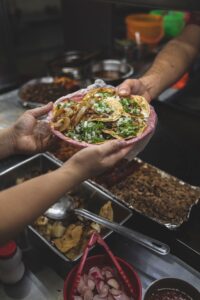
When they’re old enough to help, making dinner an activity helps them feel involved. Taco night is great for this. I put out bowls of shredded cheese, diced tomatoes, black beans, and ground meat. I let them “build” their own soft taco or simply pick the items they want on their plate.
Even if they only pick the cheese and the beans, they’re eating. The act of choosing removes the power struggle that often happens when a parent just places a finished plate in front of them.
Healthy Snacks
Snacks are the glue that holds a toddler’s day together. If they didn’t eat much at lunch, a hearty snack can prevent a late-afternoon meltdown. I try to avoid the sugary pouches and instead look for things that feel natural and filling.
Simple Protein Snacks
Hard-boiled eggs are a great go-to. I usually keep a few in the fridge and cut them into quarters. Another favorite is cottage cheese with a few pieces of pineapple or peach. It’s a creamy texture that many kids like, and it’s packed with protein.
I also like making “energy bites.” I mix oats, peanut butter, honey, and a few flax seeds or chia seeds, then roll them into small balls. They taste like a treat, but they’re basically a miniature bowl of oatmeal.
Veggie Crunches
Hummus is a great way to introduce vegetables. I’ll slice bell peppers into thin strips or use baby carrots and let them dip. If they aren’t into hummus, a little bit of ranch dressing (made with Greek yogurt for extra protein) usually does the trick.
Edamame is another winner. I buy the frozen pods, steam them for a few minutes, and let my toddler pop the beans out. It’s a sensory experience and a healthy snack all in one.
Cold and Refreshing Treats
Frozen grapes (sliced lengthwise for safety) or frozen mango chunks are great for teething toddlers or just for a hot afternoon. They feel like popsicles but are just fruit.
I also make “smoothie pops.” I blend spinach, banana, and blueberries with a bit of milk, then freeze the mixture in small molds. They get all the nutrients of a green smoothie but get to eat it like an ice cream pop.
Let’s talk about the emotional side of mealtime
Beyond the actual food, the atmosphere at the table matters. When I’m stressed about whether they’re eating “enough,” they can feel it. That tension often makes them even more resistant to trying new things.
Lower the Pressure
One thing that helped me was stopping the “just one more bite” plea. When we push too hard, the dinner table becomes a place of conflict. Now, I focus on offering a variety of foods and letting the toddler decide how much to eat.
It sounds scary to let a toddler decide, but they generally won’t starve themselves. If they only eat the peas and ignore the chicken, I don’t make a big deal out of it. I just know that the chicken is there, and maybe tomorrow they’ll be curious about it.
More Exposure
I’ve realized that toddlers often need to see a food ten or twenty times before they’re willing to actually taste it. I call this “passive exposure.” I’ll put a tiny sliver of a new vegetable on their plate, not enough to be intimidating, just enough to be there.
Some days, they ignore it. Other days, they might touch it. Eventually, they might lick it. Whenever they finally take a bite, I keep my reaction neutral. If I throw a party because they ate one piece of broccoli, they realize that broccoli is a “big deal,” which can actually make them more suspicious of it.
Making Food Fun (Without the Gimmicks)
I don’t do elaborate food art; I don’t have the time or the patience, but I do use a few simple tricks. Cutting sandwiches into triangles or stars with a cookie cutter makes a difference. Putting food in a colorful silicone muffin liner makes it feel like a special event.
I also like to involve them in the process. Letting them “help” me wash the vegetables or dump the pre-measured ingredients into a bowl makes them feel like they have a stake in the meal. They’re much more likely to try something if they helped “make” it.
Tips for Busy Mom Days
There are days when the house is a mess, the laundry is piling up, and the thought of cooking a “balanced meal” feels impossible. On those days, it’s okay to take a shortcut.
The Freezer Is Your Best Friend
I spend one afternoon a month making “emergency” meals. I’ll bake a bunch of mini muffins with carrots and zucchini, make a batch of turkey meatballs, and freeze portions of pasta. When I’m exhausted, I can just heat up a few nuggets and some frozen peas, and dinner is served.
Having a “safe” meal in the freezer means I don’t have to panic when the fresh groceries run low or when I’ve had a particularly long day.
Keep a “Yes” Drawer
I have a basket in the fridge and a drawer in the pantry that contains a variety of healthy snacks that are always “yes.” This includes items such as string cheese, pre-cut melons, yogurt tubes, and whole-grain crackers.
Whenever the toddler is acting “hangry” and I’m too tired to prep something, I can just grab something from the “yes” drawer. It prevents the meltdown and keeps them fed while I gather my thoughts for the main meal.
Batch Cooking for Sanity
When I make a sauce or a soup, I always make double or triple the amount. I’ll freeze the extras in small containers. The next time I need a quick lunch, I have a home-cooked meal ready to go that only needs a few minutes in the microwave.
Finding easy meal ideas for picky toddlers actually works when you stop fighting the toddler and start working with their instincts. It’s about simplicity, small portions, and a lot of patience.
Parenting is a bit of a puzzle, and sometimes the solution is just a differently shaped sandwich or a muffin tin for lunch. You don’t need a perfect system; you just need a few reliable tricks that take the pressure off you and your kids.
The goal isn’t to win the battle of the broccoli; it’s to keep the mealtime experience positive. When we move away from the “fight” and toward a “low-pressure” approach, the table becomes a place of curiosity rather than a battlefield.
I hope you were able to get some meal ideas from my list. If you have different menus to propose, you can always share.
-Sarah