
How to Handle Overstimulation When Your Kids Won’t Stop Touching You
It starts with a small hand tugging at your shirt. Then, while you’re trying to stir a pot of pasta, a toddler decides your leg is the perfect place to lean. By the time you sit down for two minutes, you have a preschooler climbing into your lap and a baby pulling on your hair. On the surface, it’s “affection.” It’s “bonding.” It’s the “magic of childhood.” But inside? You feel like you’re vibrating. You feel a sudden, urgent need to jump out of your own skin or scream into a pillow.
If this sounds familiar, you aren’t failing as a parent, and you aren’t “cold.” You are experiencing sensory overstimulation. Feeling “touched out” is more common than many moms realize, and experts explain that constant physical touch, caregiving, and lack of personal space can leave your nervous system feeling completely overwhelmed.

For many of us, especially those of us navigating motherhood with ADHD or general anxiety, the physical demand of “touched out” syndrome is a physiological response. It’s not just a mood; it’s a nervous system overload. When your brain can no longer process the constant stream of tactile input, your “fight or flight” response kicks in. Suddenly, the sweet smell of a baby’s head feels suffocating, and a simple hug feels like an invasion.

The guilt that follows is often the heaviest part. You then tell yourself; How can I be annoyed by my own children wanting to be near me? But the truth is, your brain has a limit. Once that limit is hit, you can’t just “will” yourself to be patient. You need a strategy to reset your nervous system before you hit a breaking point.
In this guide, we’re going to dive deep into why this happens, how to recognize the signs before you snap, and practical, real-world ways to reclaim your personal space without making your kids feel rejected.
What Exactly is Overstimulation in Motherhood?

Before I get into the “how-to,” I need to talk about the “what.” Sensory overstimulation happens when your five senses, touch, sight, sound, smell, and taste, are bombarded with more information than your brain can process. In the context of parenting, we usually talk about being “touched out.”

Imagine your brain has a bucket for sensory input. Every loud toy, every “Mommy look!”, every sticky finger, and every clingy hug adds a drop to that bucket. For some of us, the bucket is huge. For others, especially those of us with ADHD or sensory processing sensitivities, the bucket is small. Once the bucket overflows, you enter a state of hyper-arousal.
The Physiology of “Touched Out”

When you’re overstimulated, your amygdala (the part of the brain that handles threats) takes over. Even though you know your child isn’t a threat, your brain perceives the constant touching as a stressor. This triggers a release of cortisol and adrenaline.
This is why you might find yourself reacting with disproportionate anger to something small, like a child accidentally spilling juice. It’s not about the juice; it’s about your nervous system already being at 99% capacity, and the spill was the final 1%.
The ADHD Connection

For moms with ADHD, overstimulation is often amplified. ADHD isn’t just about focus; it’s often about how the brain filters information. While a neurotypical brain might be able to tune out the sound of the dishwasher and the feeling of a toddler leaning against them, an ADHD brain often absorbs everything at once. Everything is “loud.” Everything is “felt.”

This makes the “touch” aspect even more intense. When you’re already struggling to manage the mental load of a household, the physical demand of constant contact can feel like an actual weight pressing down on you.
Recognizing the Warning Signs Before the Meltdown

The biggest mistake we make is waiting until we are already screaming to realize we are overstimulated. By the time you’re feeling that visceral rage, you’re already in the “red zone.” The goal is to catch yourself in the “yellow zone.”
The Physical Cues

Your body usually knows you’re overstimulated before your conscious mind does. Look for these signs:
- Muscle Tension: Your shoulders are creeping up toward your ears. Your jaw is clenched.
- Irritability with Noise: Suddenly, the sound of the TV or the kids laughing feels like a drill in your head.
- The “Ick” Feeling: You feel a physical repulsion to being touched, even by people you love.
- Shortness of Breath: You feel like you can’t take a full breath, or your chest feels tight.
- Hyper-vigilance: You’re suddenly very aware of everything, the crumb on the floor, the humming of the fridge, the way your child is breathing.
The Mental Cues

The “Get Away From Me” Loop: A recurring thought that screams Just give me five minutes of silence or Don’t touch me.*
- Brain Fog: You find it hard to make simple decisions, like what to have for dinner.
- Emotional Fragility: You feel like you might cry for no apparent reason, or you feel an unexpected surge of anger.
If you can identify these signs early, you can implement “micro-breaks” that prevent a full-blown meltdown.
Immediate Strategies for When You Are Overstimulated

Sometimes, you can’t just walk away. You’re in the middle of a diaper change, or you’re in a grocery store. When you are in the thick of it, and the kids won’t stop touching you, you need grounding techniques that work in the moment.
The “Safe Space” Pivot

If you feel yourself hitting the wall, the first step is to create a temporary physical boundary.
- The Bathroom Break: It’s the only room in the house with a lock. Even two minutes of staring at a wall in silence can lower your heart rate.
- The “Helper” Task: If your child is clinging to you, give them a “mission.” “I need you to find five blue things in the living room and bring them to me!” This creates a few feet of distance while still making them feel involved.
- The Sensory Shift: Splash cold water on your face or hold an ice cube. The sudden temperature change can “shock” your nervous system out of the fight-or-flight loop.
Communicating Your Needs (Even to Toddlers)

We often feel guilty telling our children we need space. We worry we’re rejecting them. However, teaching your children about boundaries is actually a gift to them. It teaches them that other people have needs and limits.
Instead of snapping “Stop touching me!”, try these scripts:
- For Toddlers: “Mommy’s body needs a little bit of space right now to feel happy. Let’s do a ‘bubble hug’ where we blow a kiss instead!”
- For Preschoolers: “I love you so much, but my ‘touch bucket’ is full. I need five minutes of quiet time, and then we can cuddle.”
- For Older Children: “I’m feeling a bit overstimulated. I’m going to take a short break so I can be a better listener for you. I’ll be back in ten minutes.”
The Power of the “Sensory Bridge”

If your child absolutely cannot handle the distance, try a sensory bridge. This is a way to maintain a connection without the overwhelming tactile input.
- Holding Hands vs. Full-Body Contact: Instead of a child climbing on you, suggest holding hands as you walk.
- The “Weighted” Alternative: If they need pressure, encourage them to hug a large pillow or a weighted stuffed animal while sitting next to you.

- Visual Connection: Maintain eye contact and use a soft voice. Often, children cling because they are seeking reassurance. If you provide that reassurance visually and auditorily, the need for physical touch might decrease.

Long-Term Systems to Prevent Sensory Overload

You can’t spend your whole life in “survival mode.” To stop the cycle of overstimulation, you need to build a lifestyle that respects your sensory limits.
Creating “No-Touch” Zones and Times

It sounds radical, but establishing boundaries in your home can save your sanity.
The “Mommy’s Island” Concept
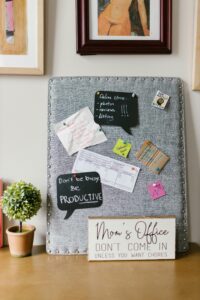
Designate a specific chair or a corner of the room that is “Mom’s Space.” Explain to the kids that when you are in that spot, it’s your time to recharge. At first, they’ll ignore it (because they’re kids), but with consistency, they’ll learn that this is a boundary.
Scheduled “Quiet Hours”

Implement a daily “quiet time.” This isn’t just for naps; it’s a designated period where everyone, including the adults, does a quiet activity.
- Kids can look at books or do a puzzle.
- You can put on noise-canceling headphones.
- The goal is to lower the overall sensory input of the house.
Managing the Environmental Noise
Touch is only one part of overstimulation. Often, we can handle the noise if the noise is minimal, or the noise if the noise is low. If everything is happening at once, we crash.
Invest in Noise-Reducing Earplugs
I highly recommend high-fidelity earplugs (like Loop or similar brands). They don’t block out all sound; you can still hear your kids, but they “take the edge off” the screaming and clattering. It reduces the total amount of data your brain has to process, leaving you with more patience for the physical touch.
Control the Visual Clutter

Visual noise contributes to mental noise. If your living room looks like a toy store exploded, your brain is processing all that chaos in the background. Spend 10 minutes doing a “surface clear” before the high-energy parts of the day. It sounds tedious, but a clearer space often leads to a clearer mind.
The Role of Self-Care for the Overstimulated Mom

When we talk about self-care, people often think of bubble baths and face masks. But for an overstimulated mom, self-care isn’t about “pampering,” it’s about sensory regulation.
Sensory Deprivation as Therapy

If your day is spent in a whirlwind of noise and touch, your self-care needs to be the exact opposite.
- The Dark Room Reset: When the kids are asleep or with a partner, spend 10 minutes in a completely dark, silent room. No phone, no music, no lights. Let your nervous system return to baseline.
- Heavy Work for Adults: Just as kids benefit from “heavy work” (pushing, pulling, jumping), adults do too. A weighted blanket, a deep-tissue massage, or even a heavy workout can help “ground” your body and release the tension built up during the day.
- Solo Walks: Walking without children allows you to control your environment. You choose the pace, the direction, and the level of interaction.
Addressing the Mental Load

Overstimulation is often compounded by the “mental load,” the invisible list of everything that needs to be done. When you’re thinking about laundry, appointments, and meal planning while a child is screaming in your ear, you hit the wall faster.
- Brain Dumping: Every morning or night, write everything down. Once it’s on paper, your brain doesn’t have to use energy to “hold” the information, which frees up some sensory bandwidth.
- Lowering the Bar: On days when you feel the overstimulation creeping in, give yourself permission to lower the standards. Paper plates for dinner? Fine. Extra screen time for the kids so you can breathe? Absolutely.
Handling Specific Scenarios: A Step-by-Step Guide

Because every day is different, let’s look at some common “high-touch” scenarios and how to handle them without losing your cool.
Scenario 1: The “Clingy” Phase (The Velcro Child)

You have a child who refuses to be more than two inches away from you for three days straight.
The Strategy: The “Filling the Tank” Method
Often, clinginess is a sign of an empty “emotional tank.” Instead of fighting the touch, try to provide “concentrated touch” on your own terms.
- Set a Timer: “We are going to have 10 minutes of ‘Mega Cuddles.’ I will give you all my attention!”
- Intensity: Give them the deep pressure, the big hugs, and the focused attention they crave.
- The Transition: When the timer goes off, say, “My cuddle tank is full! Now it’s time for us to do [separate activity].”
By proactively filling their tank, you often reduce the need for them to “seek” touch throughout the rest of the hour.
Scenario 2: The Chaos of Meal Prep
You’re trying to cook, and three children are hanging off your legs, pulling at your apron, and asking for snacks.
The Strategy: The “Station” System
Physical touch during high-stress tasks is a major trigger.
- The High Chair/Learning Tower: Get them up to your level but in a contained space (like a Learning Tower) where they can “help” without being under your feet.
- The Sensory Bin: Put a tub of rice, beans, or water on the floor with some scoops. This provides them with the tactile stimulation they are seeking, so they don’t seek it from your legs.
- The “Safe Distance” Marker: Put a piece of masking tape on the floor. “This is the Magic Line. If you stay behind the line, you can watch me cook, but if you cross it, you have to go to the play area.”
Scenario 3: Bedtime Bedlam
The part of the day where everyone is tired, cranky, and wants to be held, but you are at your absolute limit.
The Strategy: The “Sensory Wind-Down”
Shift the sensory environment of the house 30 minutes before bedtime.
- Dim the Lights: Lower the visual input.
- Soft Music: Replace the chaos of loud toys with calm sounds.
- Low-Impact Touch: Instead of wrestling or tickling, move toward slow back rubs or reading a book together. This calms both the child’s nervous system and yours.
Common Mistakes When Dealing with Overstimulation

Even with the best intentions, we often fall into traps that actually make the overstimulation worse.
Mistake 1: The “Push Through It” Mentality

Many of us were raised by parents who told us to “just get on with it.” We try to power through the feeling of being tapped out, thinking that if we just ignore it, we’re being “strong.”
Why it fails: You cannot ignore a physiological response. If you push through, you aren’t becoming “stronger”; you’re just moving closer to a burnout-induced explosion. Pushing through leads to resentment and “mom rage,” which is much harder to recover from than a simple request for space.
Mistake 2: Apologizing for Your Boundaries

“I’m so sorry, I just can’t handle you touching me right now. I’m a bad mom.”
Why it fails: When you frame your need for space as a failure, you teach your children that boundaries are shameful. Instead, frame it as a health need. “Mommy’s brain needs a break so she can be happy again.” This models healthy emotional regulation for your children.
Mistake 3: Relying Solely on Screens

While a tablet can provide a temporary break, it often leads to “screen-induced irritability” in children, which actually increases their clinginess or restlessness once the device is taken away.
The Fix: Use “low-dopamine” activities. Audiobooks, coloring, or sorting toys. These keep the children engaged without overstimulating them, which in turn makes them easier for you to manage.
When Overstimulation is Part of Something Bigger
It’s important to distinguish between “normal” parenting overstimulation and something that might require professional support.
ADHD and Autism in Mothers
If you find that your sensory limits are extremely low, for example, if the sound of a chewing child or the feel of a certain fabric makes you feel physically ill, you might be dealing with Sensory Processing Disorder (SPD) or neurodivergence. Many women are only diagnosed with ADHD or Autism in adulthood after becoming mothers, because the sensory demands of parenting act as a catalyst.
Postpartum Anxiety and Depression
Overstimulation can be a symptom of PPA or PPD. When your brain is already in a state of high anxiety, your “window of tolerance” for sensory input shrinks. If you feel a constant sense of dread or an inability to find joy in your children even when you aren’t touched out, please reach out to a healthcare provider.
Chronic Burnout
There is a difference between being “touched out” for an afternoon and being in a state of chronic burnout. If you feel numb, detached, or constantly exhausted regardless of how much sleep you get, you may be experiencing mom burnout. This requires more than just a “quiet room”; it requires a systemic change in your support system.
How Mom Creative Blogger Supports Your Journey

Navigating these feelings can be incredibly lonely. You look at Instagram and see “perfect” moms who seem to love every single second of the clinginess, and it makes you feel like an outlier. That’s exactly why we built Mom Creative Blogger.
We don’t do “perfect” here. We do “real.”
At Mom Creative Blogger, we understand that motherhood is a paradox: you can love your children with every fiber of your being and still desperately want them to stop touching you. We provide a community where this honesty is normalized.
Whether you’re looking for:
- Practical Activity Ideas: We share creative, low-mess indoor activities that keep kids occupied, giving you those precious moments of sensory peace.
- ADHD Management: We dive deep into how to parent when your own brain is wired differently, offering strategies for the “overstimulated ADHD mom.”
- Mental Health Resources: From discussing the reality of mom burnout to sharing personal health journeys, we prioritize the mother’s well-being as much as the child’s.
- Printables and Tools: We create resources to help you organize your home and your mind, reducing the “visual noise” that contributes to your overload.
You aren’t alone in this. By joining our community, you’ll find other mothers who “get it” who know exactly what it feels like to love their kids but need a lock on the bathroom door just to survive the day.
Summary Checklist for the Overstimulated Mom
When you feel the “red zone” approaching, use this quick checklist to reset:
- [ ] Check your body: Are my shoulders high? Is my jaw clenched?
- [ ] Physical distance: Can I step into another room for 2 minutes?
- [ ] Sensory shift: Cold water on the face or a deep breath of fresh air?
- [ ] Communicate: “Mommy’s touch bucket is full; I need a 5-minute break.”
- [ ] Redirect the child: Give them a “mission” or a sensory toy.
- [ ] Lower the noise: Put on noise-reducing earplugs or dim the lights.
- [ ] Forgive yourself: Remind yourself: I am not a bad mom; I am a human with a nervous system.
Reclaiming Your Peace

Motherhood is one of the most tactile experiences a human can go through. From the constant nursing or holding in the early days to the “climbing-on-me” years of preschool, your body is often not your own. It’s a beautiful thing, but it’s also exhausting.
The goal isn’t to become a person who never gets overstimulated; that’s impossible. The goal is to become a person who knows how to handle it. When you stop fighting the feeling and start managing your nervous system, the guilt begins to fade. You realize that by taking care of your own sensory needs, you are actually becoming a more patient, loving, and present parent.
You can’t pour from an empty cup, and you certainly can’t pour from a cup that is vibrating with sensory overload. Give yourself permission to step back. Give yourself permission to say “no” to a hug. Give yourself permission to crave silence.
If you’re feeling overwhelmed and need a place to find real, honest support, come hang out with us at Mom Creative Blogger. We’re all in this together, navigating the beautiful, loud, sticky, and occasionally suffocating journey of motherhood.
*
Ready to find more ways to balance your mental health with the chaos of parenting? Subscribe to our newsletter at Mom Creative Blogger for practical tips, creative activity guides, and honest stories from moms who are right there in the trenches with you. Let’s make motherhood a little more manageable, one boundary at a time.