
Indoor Activities for Kids: 15 Screen-Free Ideas for Busy Moms
There’s nothing quite like the moment when the weather turns cold, the rain doesn’t seem to stop, or snow traps you inside for yet another day. Your kids’ energy levels skyrocket while your patience slowly depletes, and you find yourself wondering: How am I going to keep them entertained without turning on a screen?
Last December, I wrote a post on DIY indoor activity ideas, and a lot of you seemed to enjoy it. I decided to come up with more this time. You’ve found yourself staring at the TV remote at 2 PM on a Tuesday, wondering if letting the kids watch just one more show will make you a terrible parent; you’re not alone. Many moms face this exact dilemma, especially during the winter months or extended periods of inclement weather.
The good news? There are plenty of creative, engaging indoor activities for kids that require minimal preparation and zero screen time.
In this guide, we’ll explore 15 screen-free indoor activities that will not only keep your children entertained but also provide them with meaningful, developmental opportunities. Moreover, these activities are designed with real, busy moms in mind because let’s face it, you don’t have time for elaborate Pinterest-worthy projects that require three specialty supplies from across town.
Why Indoor Activities Matter for Child Development
Before we dive into our list of 15 fantastic activities, let’s understand why indoor play is so important. Screen-free activities help develop your child’s creativity, problem-solving skills, and imagination in ways that passive screen consumption simply cannot match. Additionally, hands-on play strengthens fine and gross motor skills, boosts cognitive development, and provides crucial opportunities for emotional regulation.
Furthermore, engaging in activities together creates quality bonding time between you and your children. These moments, though they might feel chaotic in the moment, are building the memories and relationships that matter most. When you’re present during your child’s play, you’re also modeling behavior, providing gentle guidance, and creating a secure, nurturing environment, even if you’re simultaneously thinking about the laundry pile upstairs.
15 Screen-Free Indoor Activities for Kids
1. Build an Indoor Fort or Pillow Castle
This timeless activity requires nothing more than blankets, pillows, and couch cushions. First, gather your supplies, then let your kids direct the architectural vision. They’ll spend hours designing, building, and playing inside their creation. Subsequently, they might use it as a reading nook, a secret hideout, or an imaginary castle.
Why it works: Building forts develops spatial awareness and creative thinking while keeping kids physically engaged. Additionally, the fort becomes a special space where they can play independently or invite you inside for quality time together.
2. Create a DIY Sensory Bin
Fill a plastic container with dried pasta, rice, beans, or kinetic sand. Add small toys, scoops, and funnels. Children can dig, pour, sort, and create to their heart’s content. For younger toddlers, ensure supervision to prevent choking hazards.
Why it works: Sensory play calms anxious minds and provides tactile stimulation that’s both soothing and developmentally appropriate. In particular, this activity is excellent for children with ADHD or anxiety who need a calming outlet.
3. Bake or Cook Together
Whether you’re making simple cookies, decorating cupcakes, or preparing a meal, involving kids in the kitchen is an educational and delicious activity. They learn measurements, following directions, and basic cooking skills while creating something tasty.
Why it works: Cooking combines math, science, and sensory learning. Moreover, the reward at the end (eating what they created) provides immediate gratification and boosts confidence.
4. Start an Indoor Scavenger Hunt
Create a list of items to find around your house—things like “something blue,” “something soft,” or “something that makes noise.” Younger children can follow picture clues instead of written lists.
Why it works: Scavenger hunts encourage exploration, observation skills, and physical movement. Furthermore, you can tailor the difficulty to your child’s age and abilities, making it challenging without being frustrating.
5. Set Up a DIY Art Station
Provide paper, markers, crayons, colored pencils, paint, and stickers. Let your kids create freely without rules or judgment. Don’t worry about the mess, that’s what washable supplies are for!
Art allows children to express emotions and ideas that they might struggle to verbalize. Additionally, creative play enhances fine motor skills and encourages self-expression.
6. Play Pretend or Role-Play Games
Whether they’re playing house, restaurant, doctor’s office, or school, imaginative role-play is crucial for emotional development. Join in when you can, or let them direct their own imaginary worlds.
Pretend play develops empathy, social skills, and helps children process real-life situations. Notably, it allows them to explore different roles and scenarios in a safe environment.
7. Create a Movie or Puppet Show
Help your kids create puppets from socks, paper bags, or craft materials. Then, let them write and perform a show for you. This combines creativity, storytelling, and performance skills all in one activity.
Puppet shows encourage narrative thinking, creativity, and public speaking skills. Additionally, kids love having an audience, and the performance aspect provides a confidence boost.
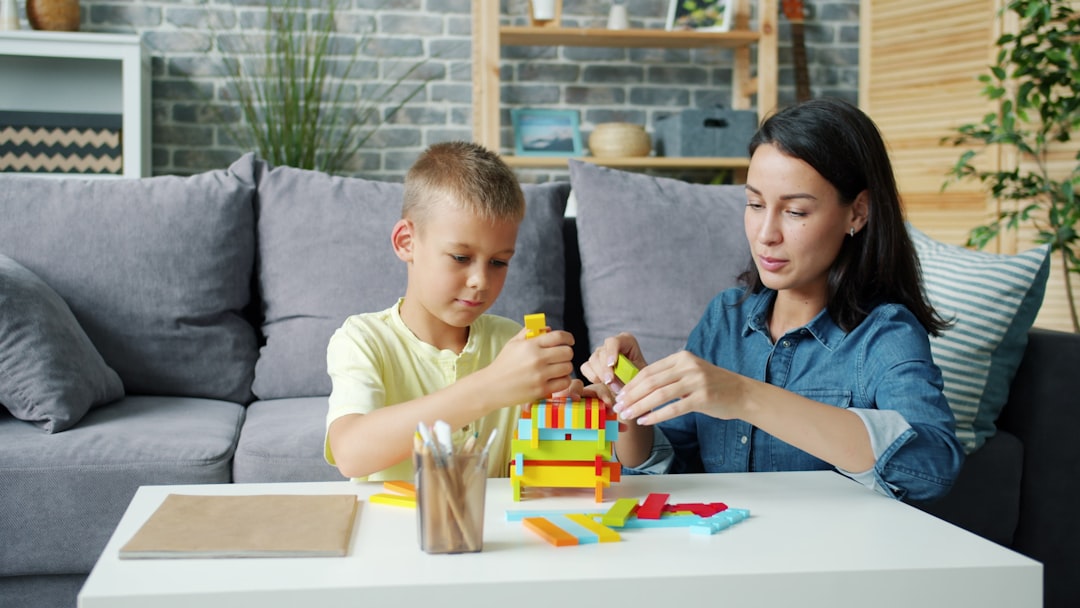
8. Build with Blocks, Legos, or Recycled Materials
Whether you have traditional blocks, Legos, or cardboard boxes, building activities engage the mind and hands. Challenge them to build something specific, or let them create freely.
Construction play develops spatial reasoning, problem-solving, and persistence. Furthermore, it’s an activity that can occupy children for extended periods.
9. Start a Reading Adventure
Create a cozy reading nook with blankets and pillows. Let kids choose books, and spend time reading together. Consider making it special with hot chocolate or a snack to increase the appeal.
Reading builds vocabulary, imagination, and a lifelong love of books. Additionally, reading together provides bonding time and helps develop language skills.
10. Play Board Games or Card Games
Games like Candy Land, Chutes and Ladders, Go Fish, or Uno are perfect for indoor entertainment. They teach rules, turn-taking, and basic strategy while providing family time.
Games develop social skills, patience, and strategic thinking. Moreover, they’re an excellent screen-free alternative that the whole family can enjoy together.
11. Have a Dance Party or Freeze Dance
Put on music and let loose! Freeze dance is particularly fun. You stop the music, and everyone must freeze in whatever position they’re in until the music starts again.
Dancing provides physical activity, burns energy, and lifts mood through the release of endorphins. Furthermore, it’s a joyful activity that the whole family can participate in.
12. Create a Science Experiment
Simple experiments like volcano eruptions (baking soda and vinegar), color-mixing, or growing seeds are engaging and educational. Many require only household items you already have.
Science experiments spark curiosity and show children how the world works. Additionally, they combine hands-on learning with exciting results that captivate young minds.
13. Organize an Indoor Obstacle Course
Use pillows, furniture, and open space to create a course that includes crawling under tables, jumping over pillows, and balancing on lines. Time your children or encourage them to complete it without touching the floor.
Obstacle courses provide vigorous physical activity that helps burn energy. Notably, they develop gross motor skills, coordination, and body awareness.
14. Try a Craft Project with Natural Materials
Collect leaves, twigs, rocks, or other natural items (either from outside or materials you have) and create art. Make collages, paint rocks, or create nature sculptures.
Crafting with natural materials connects children to nature and encourages creativity. Furthermore, it’s an affordable activity that uses materials you likely already have.
15. Create a “Busy Box” or Activity Jar
Fill a box or jar with activity cards listing various activities, crafts, or games. When kids say “I’m bored,” they can draw a card and pick their own entertainment.
Giving children autonomy over activity selection empowers them and reduces the mental load on you. Additionally, a busy box is a resource you can refer to during those inevitable moments of “I have nothing to do!”
Making Indoor Activities Work With Your Schedule
Let’s be honest: suggesting 15 activities is wonderful in theory, but executing them while managing your actual life is another matter entirely. If you’re feeling overwhelmed by parenting demands, battling mom burnout, or struggling to balance motherhood with ADHD management, the last thing you need is guilt about not implementing Pinterest-perfect activities. Why? In my experience, it’s the best way to feel down about yourself and that’s the last thing that you need to feel.
Therefore, the key is finding activities that work for you and your family, not forcing yourself into someone else’s ideal. Start small; you don’t need to stretch yourself. Choose two or three activities from this list that genuinely appeal to you and your children. You don’t need to do all 15 in a week.
Furthermore, remember that simple is often better. Specifically, some of the most engaging activities require almost nothing, like a blanket fort, a sensory bin with rice, or a dance party, yet provide hours of entertainment.
Preparation Tips for Busy Moms
To make screen-free play easier to implement, consider these practical strategies:
Stock your home strategically. Keep art supplies, building materials, and sensory items in accessible places. When activities are easy to access, you’re more likely to suggest them, and kids are more likely to engage.
Prepare activity stations. Set up one or two permanent stations, like an art area or building station, so kids know where to go when they want to play.
Create a routine. Designate specific times for indoor activities, especially during the seasons when outdoor play is limited. Subsequently, children know what to expect and are more likely to engage willingly.
Lower your perfectionism. Acknowledge that creative play is messy. Indeed, some mess is the price of engagement and development. Have cleaning supplies handy and accept that it’s worth the cleanup.
Set reasonable expectations. Not every activity will be a huge hit. Additionally, not every day will go smoothly. That’s completely normal and doesn’t reflect your abilities as a mother.
How Mom Creative Blogger Supports Your Journey
If you’re constantly searching for new ideas, struggling with the mental load of parenting, or feeling like you’re doing everything wrong, you’re exactly who Mom Creative Blogger is created for. The platform provides honest, real-life parenting advice from someone who genuinely understands the challenges you face.
On Mom Creative Blogger, you’ll find not just activity ideas but entire articles dedicated to managing mom burnout, balancing motherhood with ADHD, and navigating the mental health aspects of parenting that often go unaddressed. Moreover, the content comes from personal experience and real parenting scenarios, not theoretical advice that doesn’t translate to real life.
Additionally, the blog offers practical resources like printables (in construction) and organized content by topic. Whether you’re looking for indoor activities, positive discipline strategies, or mental health support during your motherhood journey, you’ll find authentic, actionable guidance written by someone who’s in the trenches with you.
Embrace it, don’t be hard on yourself
Winter may seem long, and rainy days can feel endless, but this is also an opportunity to slow down, connect with your children, and discover what activities genuinely bring joy to your family.
Subsequently, the activities that work best for your household might not be anyone else’s top picks, and that’s perfectly fine.
Remember, you don’t need to be Pinterest-perfect or have elaborate setups to keep your kids engaged. In fact, some of the best indoor activities are the simplest ones. Furthermore, the goal isn’t to keep kids entertained so you can work uninterrupted (though that’s a nice bonus). Rather, it’s about creating space for them to play, learn, and grow while supporting your own mental health and sanity.
Start with one or two activities from this list. Try them out. See what your kids genuinely enjoy.
Moreover, give yourself grace on the days when everything falls apart, and your best-laid plans crumble. That’s motherhood, and you’re doing better than you think.
For ongoing support, practical parenting tips, and honest conversations about the realities of motherhood, visit Mom Creative Blogger. You’ll find a community of moms just like you, real women navigating the beautiful chaos of raising children while caring for themselves. Because ultimately, when you’re supported, your whole family thrives.
—
What’s your go-to indoor activity when the weather keeps your family inside? Share your favorite screen-free ideas in the comments below. Let’s build a community resource for busy moms who are seeking creative solutions!