

Mom Burnout Is Real: My Experience and How I Started Healing
Disclaimer: This article reflects my personal experience. This content is not intended to replace medical advice. Always consult a qualified healthcare professional regarding your own health
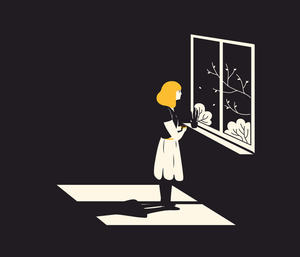
If you’re a mom feeling exhausted, overwhelmed, and stuck in survival mode, you’re not alone. Mom burnout is real — and you deserve practical tools to manage it and feel more like yourself again.
Mom burnout doesn’t happen overnight. It builds slowly — through sleepless nights, mental overload, emotional exhaustion, and the constant pressure to “do it all.” If you’re a mother who feels drained, disconnected, or overwhelmed, you’re not alone. In this article, I’m sharing what mom burnout really looks like, why it happens, and how to start healing.
What causes mom burnout ?
According to helpguide.org:
”Burnout is a state of emotional, physical and mental exhaustion caused by excessive and prolonged stress.’‘
This means it is caused by external factors such as :
- Mental load
- Lack of support
- Sleep deprivation
- Pressure to be a “perfect mom”
- Loss of identity
My Personal Experience With Mom Burnout
For me, the burnout I experienced was not caused by postpartum depression, nor by a lack of love for my son — quite the opposite. My experience with mom burnout came from a combination of factors that slowly accumulated over time.
Without going too deeply into details, I noticed that my mental health began to decline after I started using the Mirena IUD. I’m currently writing an article about my personal experience with the Mirena. I experienced increasing social withdrawal, extreme fatigue, heightened anxiety, and a persistent mental fog that made everyday life feel heavier than it should have been.
At the same time, we were living through the pandemic, and I had just lost my job — a job that had given me structure, stability, and a sense of identity. There was a period where I wasn’t taking enough care of myself, combined with the immense adjustment that comes with becoming a mother.
When you become a mom, it’s very easy to put yourself last — to convince yourself that you’re strong enough to keep going without rest, without support, without pause. I shared many beautiful moments with my son during that time, but everything surrounding me felt like it was slowly crumbling. I don’t say this to sound dramatic — it’s simply the reality of what we were navigating.
We went through several extremely difficult challenges, including situations that were genuinely destabilizing. I remember trying to return to work after losing my pre-pandemic job, and how painful that process was. Finding employment while caring for a young child felt nearly impossible. Schedules never aligned, opportunities fell through, and I often felt quietly excluded because motherhood didn’t fit into what employers were willing to accommodate.
On top of that, the weight of external judgment grew heavier — opinions, assumptions, and unspoken expectations that only added to the emotional load I was already carrying.
Looking back, I can see how all of these elements combined — hormonal changes, loss of stability, lack of support, and constant pressure — created the perfect conditions for mom burnout to take hold.
How to Recover From a Mom Burnout :
1- Acknowledge mom burnout without minimizing it:
Healing starts when you stop minimizing your exhaustion. Mom burnout isn’t a weakness — it’s a signal that your needs have been unmet for too long. Instead of trying to forget it or run away from it, allow yourself to acknowledge what you’re experiencing.
Acceptance doesn’t mean giving up — it means being honest with yourself. Name how you feel. Say what you need. Whether it’s rest, support, space, or understanding, your needs are valid. Ignoring burnout only pushes it deeper, while recognizing it is the first step toward healing.
Mom burnout often worsens when we silence ourselves. Speaking openly — even in small ways — helps release emotional pressure and creates room for recovery.
2- Do simple things that you love:
I know how exhausting daily life can feel — especially when your days are filled with laundry, meals, bath time, and endless responsibilities. When you’re in the middle of mom burnout, it often feels like there’s no time left for yourself.
If it’s possible, allow yourself to accept help. If your parents or your partner’s parents can look after the kids for a weekend or even a few hours, see it as a form of care — not a luxury. There is almost always a way, even if it feels hard to imagine at first.
Doing something for yourself doesn’t have to be fancy or time-consuming. Healing from mom burnout can begin with very simple moments: going for a walk, taking a warm bath, reading a few pages of a book, or sitting in silence. These small acts of self-connection help restore energy and remind you that you matter too.
3- Release the pressure to be a “perfect mom”:
Let go of the pressure to do everything perfectly. If social media makes you feel inadequate or overwhelmed, give yourself permission to step away — even temporarily. Turning off Instagram or TikTok can be a powerful act of self-care when you’re healing from mom burnout.
During the first years of my son’s life, I was extremely hard on myself. I took everything very seriously and constantly felt like I wasn’t doing enough. I followed accounts showcasing “perfect” homes and idealized motherhood, without realizing how unrealistic and curated those images were. At the time, I simply didn’t know better.
The truth is, there is no such thing as a “perfect mom.” That standard doesn’t exist. Releasing that expectation creates space for more compassion, presence, and connection — both with yourself and your child.
4. Prioritize Rest Without Guilt
True recovery from mom burnout requires rest — mental, emotional, and physical. Rest is not a reward you have to earn; it’s a basic need. When you’re exhausted, your body is asking for a pause, not for more discipline.
If you can nap, do it. If you can slow down, allow yourself to. Resting doesn’t mean you’re lazy or unproductive — it means you’re listening to what your body needs in order to heal.
5. Move Your Body Gently
When we’re stressed or overwhelmed, we often disconnect from our bodies because we’re constantly stuck in our heads. Yet movement plays a powerful role in healing from mom burnout.
You don’t need to go to the gym or follow an intense routine. Something as simple as going for a walk — or even a short run if it feels good — can help release stress and clear your mind. When you’re in a difficult headspace, it’s easy to underestimate how much movement can help. But you truly have more to gain than to lose by trying.
6. Reduce Your Mental Load
Write things down. Simplify routines. Stop carrying everything in your head. Reducing mental clutter creates space for calm and healing.
This is something I personally wish I had taken more seriously earlier. When you become a mom, organization becomes essential — not because you have to be perfect, but because you’re no longer thinking for just one person. You’re managing your child’s well-being, your responsibilities, and your own needs all at once. Keeping things organized externally helps prevent internal overload.
7. Ask for Help and Accept Support
You’re not meant to carry everything on your shoulders alone. There are people and resources ready to support you — from family members to local community resources for moms and families. Sometimes, you just need to look locally to realize how much help is actually available.
Asking for help can feel incredibly hard, especially if you’re used to doing everything on your own and take pride in being independent. I hesitated for a long time too. But support doesn’t only come from adults — involving your kids in small tasks can also be a gentle and meaningful way to lighten your load.
For example, letting your children help while decluttering can turn it into a shared and even fun activity. If you’d like, I’ve written an article about decluttering that you can explore here, where I share how to make it engaging for kids.
8. Stop Comparing Yourself to Others
Comparison keeps raising the bar — and when the bar keeps moving, healing becomes impossible. During the pandemic, when I became a mom, I downloaded TikTok without realizing how deeply it would affect me.
All I saw were “perfect” moms cleaning spotless homes, cooking elaborate meals, and managing everything effortlessly. Instead of inspiring me, it made me feel like I was constantly falling short. I set expectations so high that they became impossible to reach — and that pressure only fueled my burnout.
Stepping away from comparison is a crucial step in healing from mom burnout. Your journey doesn’t need to look like anyone else’s.
9. Set Clear and Compassionate Boundaries
Saying no protects your energy. Boundaries are not about pushing people away — they’re about protecting your capacity. When you’re healing from mom burnout, boundaries help you conserve energy and prevent further emotional exhaustion.
Being compassionate with yourself means recognizing your limits and honoring them without guilt.
You Are Not Failing — You Are Healing
If you’re reading this and recognizing yourself, know this: mom burnout does not mean you’ve failed. It means you’ve been giving — often silently — for far too long without enough support, rest, or space to breathe.
Healing from mom burnout doesn’t happen overnight, and it doesn’t follow a straight line. Some days will feel lighter, others heavier. What matters is that you’re listening now. You’re paying attention to what your body and mind have been trying to tell you.
You don’t need to become a “better” or more productive version of yourself to deserve care. You deserve support simply because you are human — and because motherhood is demanding in ways that are rarely acknowledged.
Healing is possible. And you’re already on your way. If mom burnout resonates with you, you may also find comfort in this article on mental load and motherhood, where I share practical ways to reduce overwhelm and regain balance.
If there’s one thing to remember, it’s this: you are not alone, and you don’t have to carry everything by yourself anymore. Small steps, taken with compassion, can lead you back to yourself.