The Postpartum Body Blues: Why You Feel Invisible (And How to Reclaim Yourself)
The Postpartum Body Blues: Why You Feel Invisible (And How to Reclaim Yourself)

You delivered one week ago and you’re standing in front of the mirror looking at yourself with sadness, nostalgia…Post-partum body blue is not a secret for mothers, especially when it’s because your body doesn’t quite feel like yours anymore.
Even if the stretch marks are the signs of growth and change, you don’t care. You feel that your breasts are heavy and engorged from feeding or deflated from weaning. Your midsection still carries the softness of pregnancy, even months later. And perhaps most unsettling of all you feel profoundly invisible in this new body, as though the world is looking through you rather than at you.
If this resonates deeply with you, know that you’re not alone in experiencing the postpartum body blues. Ive been there too and a lot of us mothers had been. This emotional and physical reckoning after childbirth is a real phenomenon that deserves honest conversation and compassionate support. The postpartum period isn’t just about physical recovery; it’s about navigating a fundamental shift in how you see yourself and how you exist in the world.
Let’s explore together what’s really happening during this vulnerable time and, more importantly, how you can begin to reclaim your sense of self.
The Post-Partum Body Blues: It’s more than physical changes

The post-partum body blues go far beyond what you see in the mirror. Often, the emotional weight of these changes feels heavier than the physical ones themselves.
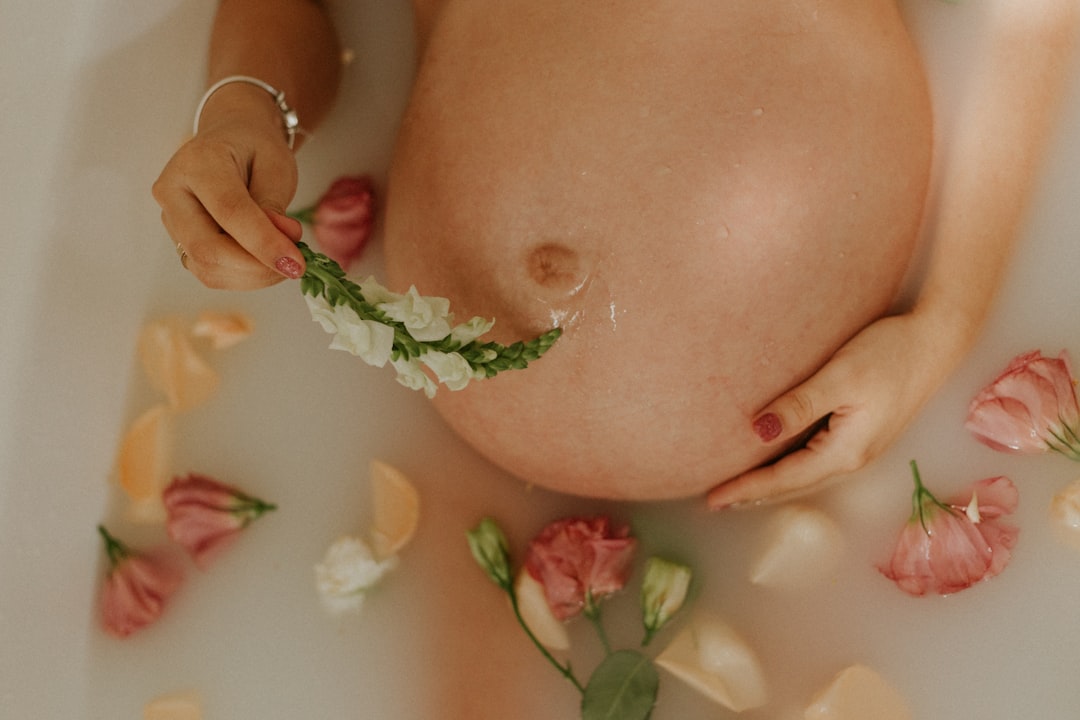
After pregnancy and childbirth, your body has been through one of the most profound transformations imaginable. Your skin stretched to make space for new life. Your hormones shifted in ways that affected both your body and your emotions. Your pelvic floor adapted. Your breasts changed to nourish your baby.
These are not small things. They are powerful, life giving processes. And yet, society so often treats them as problems to “fix” instead of extraordinary signs of what your body has accomplished.
The Physical Reality

First, let’s acknowledge what’s actually happening physically. The Post-partum bodies are in recovery mode:
- Uterine involution: Your uterus, which expanded to the size of a watermelon, is contracting back to its pre-pregnancy size a process that takes six to eight weeks
- Hormonal shifts: Estrogen and progesterone levels plummet, affecting mood, skin, and body composition
- Abdominal separation: Diastasis recti (separation of abdominal muscles) is incredibly common and takes time to resolve
- Loose skin: The skin that stretched during pregnancy gradually tightens, but this process can take months or even years
- Hair changes: Postpartum hair loss is normal due to hormonal changes
- Breast changes: Whether you’re breastfeeding or not, your breasts may look different than they did before pregnancy
None of these changes are failures. They’re evidence that your body did something remarkable despite how you look after, I promise it’s fixable but you have to give yourself time and change your perspective first.
The Emotional Factor:

However, understanding the physical changes doesn’t necessarily ease the emotional toll. Plus, the invisibility many mothers feel after giving birth has psychological roots worth exploring.
You were once the center of attention during pregnancy or before getting pregnant. People touched your belly, asked about your wellbeing, and celebrated your changing body. Then, after birth, attention shifts almost entirely to the baby leaving you with a body that you don’t recognize anymore. You feel that your body becomes a functional-feeding machine, a comfort source, a vessel for meeting someone else’s needs. Meanwhile, you feel erased.
Also, there’s the comparison trap. Social media shows filtered images of celebrities “bouncing back” weeks after giving birth. You may see friends who seemed to instantly return to their pre-baby bodies. Yet what you’re not seeing is the personal trainers, the airbrushing, the genetic luck, and often, the body image struggles these women are having behind closed doors.
Why Postpartum Bodies Feel Unseen

Postpartum body blues often center on a deeper emotional experience: feeling invisible. It’s not just about feeling less feminine or less attractive. It’s about feeling like you’ve disappeared.
From Celebrated to Overlooked
During pregnancy, your body is celebrated. It’s visible, acknowledged, and praised for what it’s doing. People ask how you’re feeling. They accommodate your needs. Strangers smile at your belly.
After birth? The newborn becomes the star. And while this makes sense developmentally, your baby absolutely needs your attention and care, it can leave you feeling like you’ve vanished into the background of your own life.
Consequently, many mothers report feeling like they’ve become invisible to their partners, their friends, and crucially, to themselves. You’re no longer the pregnant woman that identity has passed. But you’re also not back to your pre-baby self. You’re in a gray area space, and that space can feel profoundly lonely.
Your Body No Longer Feels Like Yours
The postpartum period involves a complex shift. During pregnancy and especially postpartum (particularly if breastfeeding), your body doesn’t fully belong to you. It belongs to your baby. They depend on it for sustenance and comfort.
This loss of bodily autonomy, while necessary and beautiful, can contribute to feeling disconnected from your physical self. Your breasts are functional. Your body is a resource. And somewhere in that process, you the person inhabiting that body, can feel forgotten.
Postpartum Body Image and Depression
It’s important to recognize that ongoing negative feelings about your postpartum body can be closely linked to postpartum depression and anxiety. While some adjustment to body changes is normal, intense or overwhelming distress is a sign that extra support may be needed.
Signs That Body Image Struggles Are Part of a Larger Mental Health Concern
Pay attention if you experience:

- Persistent, intrusive thoughts about your body appearance
- Avoidance of mirrors, photographs, or intimate situations with your partner
- Shame or disgust when thinking about your body
- Difficulty bonding with your baby due to body image distress
- Loss of interest in activities you once enjoyed
- Feelings of worthlessness or hopelessness
- Thoughts of harming yourself
Postpartum depression often manifests through body image dissatisfaction. Therefore, if any of these resonate, reaching out to your healthcare provider isn’t just helpful, it’s necessary. There’s no shame in seeking professional support. In fact, recognizing when you need help is a sign of strength.
Reclaiming Your Body: Practical Steps Toward Acceptance and Healing

Now that we’ve explored what’s happening, let’s talk about how to move forward. Reclaiming your postpartum body isn’t about “getting your body back” (spoiler alert: you’re not going back to your pre-baby body, and that’s actually okay). Instead, it’s about making peace with your new body and finding your way back to yourself.
Step 1: Grieve What Changed (Yes, Really !)

Before you can accept your postpartum body, you may need to grieve the loss of your pre-baby body. (For the moment) This isn’t a weakness; it’s a healthy processing.
It’s totally okay if you feel a mix of gratitude for what your body did and sadness about what you’ve lost. Both feelings are valid. Specifically, you might grieve:
- The physical sensation of your body before pregnancy
- Spontaneous physical intimacy without planning
- Wearing your favorite pre-pregnancy clothes
- Not having to think about your body’s appearance constantly
Acknowledge these feelings without judgment. Journal about them. Talk to a trusted friend or partner. Allow yourself to feel whatever comes up. Also, refrain from watching moms who sells you the idea of getting back to your pre-pregnancy body in 2 weeks. You need ”healthy role model” AND REALISTIC ONES. This emotional processing is often the necessary first step toward genuine acceptance.
Step 2: Challenge the “Bounce Back” Narrative

One of the most damaging narratives in postpartum culture is the expectation to quickly “bounce back” or “get your body back.” I find it not only annoying but problematic.
It implies your pre-baby body was the correct version of you, and anything different is wrong. In contrast, your postpartum body isn’t a failure, it’s a new chapter, I know, it’s might seems not but honestly, it is. You need to stop focussing on the physical aspect of it. Give your body time, you just gave life. Ive lost a lost of weight but it didn’t happened overnight, I did it slowly. It took me 2 years to really go back to my pre-pregnancy weight.
You can’t have a deadline for feeling comfortable in your skin but you can replace this narrative. Instead of “bouncing back,” consider that you’re integrating. You’re becoming a new version of yourself that includes motherhood, and that version is valid exactly as she is.
Step 3: Reconnect With Your Body Through Movement You Actually Enjoy
Exercise often gets framed as punishment for what your body looks like or as the path to “fixing” yourself. Let’s reframe that entirely.
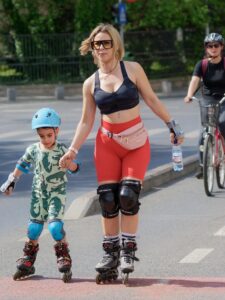
Movement helps ! It doesn’t have to be painful or boring. If you want to ride your bike, do it ! You can also look on the benefits of biking, it does a lot for your cardio. Exercise is powerful tool for reconnecting with your body and your mind. Go with something you like to do so you don’t feel dread before even starting it. The key word here is “enjoy.” If you hate running, don’t start a running habit. If group fitness classes make you anxious, they’re not your path forward.
Consider movement options that feel good:

- Walking: Simple, accessible, and meditative. You can do it with your baby or alone.
- Yoga: Particularly helpful for reconnecting with your body in a non-judgmental space. Many postpartum yoga classes specifically address the postpartum body.
- Swimming or water aerobics: Gentle on your recovering body while still being effective exercise.
- Dancing: Playful movement in your living room with your kids, or alone to music you love.
- Strength training: If this appeals to you, working with a postpartum-specialized trainer ensures you’re exercising safely.
- Pilates: Specifically beneficial for core recovery and diastasis recti.
The goal isn’t to burn calories or “earn” the right to exist in your body. The goal is to move your body in ways that make you feel strong, capable, and present. Subsequently, you may notice that as you practice this kind of movement, your relationship with your body shifts naturally.
Step 4: Nurture Your Body

In the postpartum period, self-care often gets relegated to a bubble bath between diaper changes. While that’s better than nothing, true bodily care goes deeper.
Consider what your postpartum body actually needs:
- Rest: Genuinely prioritize sleep. Ask your partner, family, or friends to take the baby for a few hours so you can sleep without interruption.
- Nutrition: Eat foods that nourish you, not foods that punish you. Your body is doing incredible work; it deserves real fuel.
- Touch: Whether it’s a massage from your partner, a professional postpartum massage, or simply placing your hand on your belly with gratitude, intentional touch reconnects you with your physical self.
- Gentle care: Invest in skincare, hair care, or whatever makes you feel tended to. This isn’t vanity; it’s signaling to yourself that you’re worth care.
- Medical attention: Address postpartum physical issues pelvic floor dysfunction, diastasis recti, hormonal imbalances with appropriate healthcare providers.
Furthermore, these acts of care send a powerful message to yourself: my body matters. I matter.
Step 5: Expand How You Define Visibility

Much of the postpartum body blues stems from feeling invisible in your new body. Therefore, work to expand what visibility means to you.
Visibility doesn’t have to mean physical attractiveness or sexual desirability. Consider instead:
- The strength your body demonstrates daily carrying your baby, soothing them, functioning on fragmented sleep
- The capability of your body what it can do rather than how it looks
- The story your body tells these stretch marks are proof of the life you’ve grown
- The presence you bring to your child your body is their safe place
- The authenticity of showing your postpartum self to the world, rather than a filtered version
Moreover, seek visibility in your actual life rather than in external validation. Take photos of yourself with your baby, not because they need to be perfect, but because you matter in this story. Wear clothes that make you feel like yourself. Move through the world as someone who belongs, because you do.
Finding Community and Support: How Mom Creative Blogger Can Help

One of the most healing aspects of the postpartum journey is discovering that you’re not alone in this experience. Countless mothers have felt the postpartum body blues the invisibility, the disconnection, the complex grief mixed with gratitude.
Mom Creative Blogger exists specifically for this reason. This is a space that I created where mothers share honest, real-life experiences about postpartum recovery, body image, mental health, and reclaiming identity after having children. Rather than offering idealized advice, the content acknowledges the messy, complicated truth of postpartum existence.
Through reading authentic stories from other mothers who’ve navigated the postpartum body blues, you’ll find:
- Validation that what you’re feeling is normal
- Practical strategies that actually work in real life
- Discussion of often-overlooked topics like postpartum mental health and bodily autonomy
- A community of mothers who get it without judgment
Additionally, the blog’s focus on mental health during motherhood means that if your body image struggles are connected to postpartum depression or anxiety, you’ll find resources and support that address the whole picture, not just the physical changes.
How long it takes to feel comfortable in your postpartum body
There is no universal timeline for feeling at home in your postpartum body. Some women reach a place of acceptance within weeks, while for others it unfolds over months or even years. For many, the relationship with their body continues to evolve over time. It can feel easier at certain stages and more complex at others as deeper emotions surface. What matters most is allowing yourself patience and recognizing that this process is not linear.
Feeling less attracted to yourself after birth
It is completely normal to feel less connected or less attracted to your body after giving birth. Hormonal changes, exhaustion, body image shifts, and having very little time for yourself can all influence how you see yourself. This does not mean something is wrong with you or your body. As you slowly reconnect with yourself and tend to your emotional well being, these feelings often soften naturally.
When your partner seems less attracted to your postpartum body
If you sense distance or discomfort from your partner, this is worth addressing openly. Many partners simply do not understand what a postpartum body goes through or why it looks and feels different. Sharing how their reactions or lack of reassurance affect you can be an important step. If your partner truly struggles to reconnect after birth, this may also reveal deeper relationship dynamics that deserve care and possibly professional support.
The pressure to get your body back
The idea of getting your body back can be harmful because it implies that your current body is something to fix. Caring for your physical health after birth is absolutely valid, but intention matters. Moving your body and nourishing yourself to feel stronger and healthier can be empowering. Doing it out of shame or self punishment often deepens postpartum body struggles rather than resolving them.
When body image struggles may need extra support
If negative thoughts about your body feel constant, intrusive, or begin to interfere with daily life or bonding with your baby, it is important to reach out for help. When body image distress is paired with ongoing sadness, anxiety, or feelings of hopelessness, professional support can make a meaningful difference. You deserve care just as much as your baby does.
Moving Forward: Your Path to Reclaiming Yourself
The postpartum body blues are real, valid, and deserving of attention and compassion, primarily from yourself. You’re not vain for noticing that your body changed. You’re not shallow for feeling sad about it. You’re not weak for needing time to adjust.
Reclaiming yourself postpartum isn’t about achieving a certain body type or appearance. Instead, it’s about:
- Making peace with the body that carried, birthed, and now nurtures your child
- Recognizing that you haven’t disappeared—you’ve expanded to include motherhood
- Reconnecting with your physical self in ways that feel authentic to you
- Seeking support when this journey feels lonely
- Understanding that your worth isn’t determined by your appearance
Furthermore, know that this process is ongoing. Some days you’ll feel comfortable in your skin. Other days, you’ll stand in front of the mirror and feel the familiar sting of invisibility. That’s normal. That’s human.
The stranger staring back at you in the mirror? She’s not actually a stranger. She’s you, older, wiser, changed by the extraordinary experience of creating and nurturing life. She’s a mother. And she’s still you.
Ultimately, reclaiming yourself means choosing to look at that reflection with curiosity and compassion instead of criticism. It means acknowledging both the grief and the gratitude. It means showing up in your postpartum body not because it’s perfect, but because it’s yours.
You deserve to feel at home in your body again. And the journey back to yourself, back to feeling visible, capable, and worthy starts with believing that you’re worth the effort.
If you’re navigating postpartum body image struggles, postpartum depression, or simply feeling lost in this new chapter of motherhood, visit Mom Creative Blogger to connect with a community of mothers who understand. Read stories. Find strategies. Remember that what you’re experiencing is shared by countless other mothers, and you don’t have to figure this out alone.
Your postpartum body isn’t something to overcome. It’s something to honor, accept, and ultimately, to inhabit with grace.