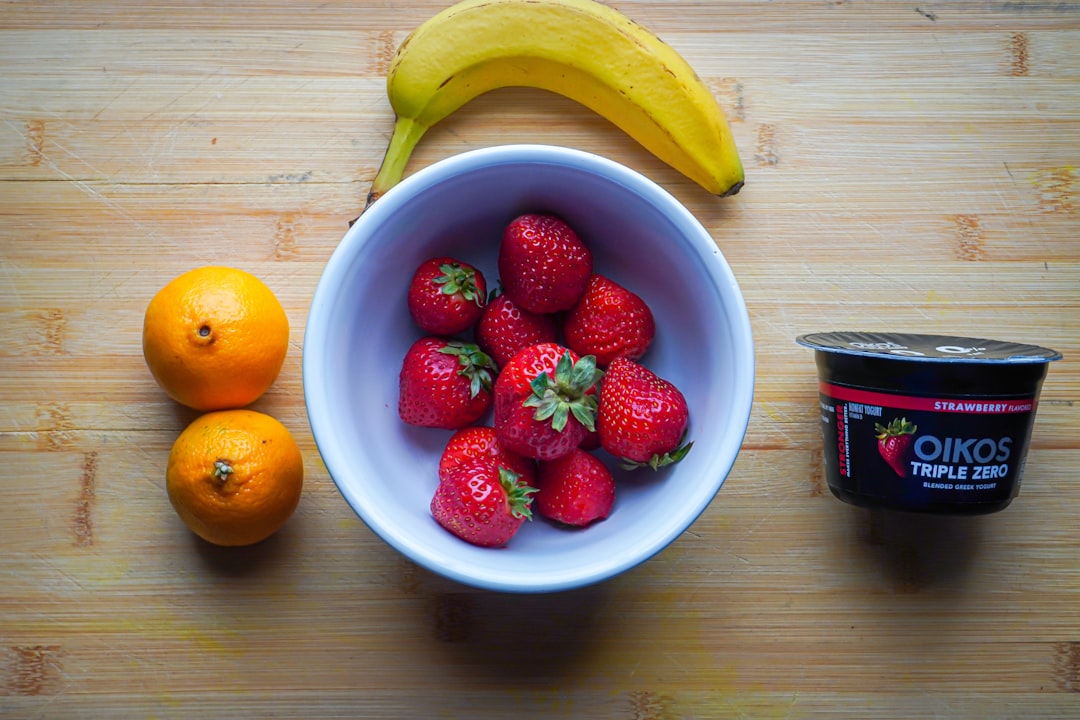
Easy afternoon snacks for toddlers
When I first started feeding my little ones, I really didn’t know what to do. So I went on Pinterest and YouTube to look for snack ideas. Making snacks doesn’t have to be complicated. It’s so much easier than you might think.
Fruit and Veggie Combos
Fruit is usually the easiest place to start, but as any mom knows, toddlers can decide that a banana they loved on Tuesday is suddenly “yucky” on Wednesday. I’ve found the trick is to change how you serve the fruit rather than constantly buying new things.
Fresh Berries and a Little Something Extra
Blueberries and raspberries are usually a hit because they’re small and easy to pick up. To make them a bit more filling, I sometimes put a small dollop of Greek yogurt in a bowl and let my daughter dip the berries in. It turns it into an activity, which usually keeps her focused on eating for a few extra minutes. If the berries are a bit too tart, a tiny drizzle of honey (for kids over one) can make them more appealing.
Apple Slices with a Twist
Since the plain apple slices didn’t work yesterday, I’ve started trying different “delivery systems.” Thinly sliced apples with a bit of almond butter or peanut butter on top usually do the trick. Sometimes, I’ll sprinkle a few hemp seeds or a tiny bit of cinnamon on top. It doesn’t take much effort, but the change in texture often makes the difference between a rejected plate and a finished snack.
Cucumber and Hummus
Veggie snacks can be the hardest sell, but cucumbers are usually the bridge. I slice them into thin rounds or sticks depending on what they’re in the mood for and serve them with a side of hummus. I’ve noticed that if I let them dip the cucumber themselves, they’re much more likely to actually eat it. Hummus is great because it’s filling and has a mild flavor that doesn’t overwhelm them.
Banana “Coins” and Nut Butter
Bananas are a staple in my house, but plain bananas can get boring. I like to slice them into coins and put a tiny dot of nut butter on each one. If I’m feeling fancy (or just have an extra minute), I’ll top it with a single blueberry or a raisin. It looks like a little snack cracker, and for some reason, that makes it more exciting to a toddler.
Easy Dairy and Protein Ideas for Lasting Energy
The problem with fruit-only snacks is that the sugar rush is often followed by a crash, which is the last thing we need at 3:30 PM. Adding protein or healthy fats helps bridge that gap to dinner and keeps the “hangry” moods at bay.
Cheese Cubes and Whole Grain Crackers
This is perhaps the most reliable combo in my repertoire. I usually go for mild cheddar or mozzarella. I’ve found that cutting the cheese into very small cubes, smaller than you’d think, makes them easier for toddlers to manage. Pairing them with a few whole-grain crackers gives them a satisfying crunch and a bit of substance.
Hard-Boiled Eggs
I usually boil a batch of eggs at the start of the week. They are the ultimate “reach and grab” snack. Some days my toddler likes them sliced in half with a tiny pinch of salt; other days, they just want to eat them as is. They’re incredibly filling and provide a great balance of nutrients. If eggs aren’t a hit that day, I’ll mash one up with a bit of avocado on toast.
Cottage Cheese with Pineapple
Cottage cheese is a bit of a hit-or-miss with kids because of the texture, but adding small chunks of pineapple or peach often masks the “curds” and adds a sweetness they love. It’s a heavy snack, so I usually save this for days when lunch was a bit light, or we have a long afternoon of activities planned.
Yogurt Parfaits (The Simple Version)
I don’t do the layered, fancy parfaits you see in ads. Instead, I just put plain Greek yogurt in a small cup and stir in some mashed berries or a swirl of maple syrup. I’ll toss in a few granola clusters for crunch. It’s quick, and it feels like a treat, even though it’s mostly just protein and fruit.
Pantry Staples That Save the Day
Some afternoons, you realize you haven’t been to the store in a few days, and the fridge looks a bit empty. That’s when the pantry staples come in. The goal is to find easy afternoon snacks my toddler actually enjoys eating that don’t rely on fresh produce.
Homemade Trail Mix
I make a “toddler-safe” trail mix by mixing together Cheerios, pumpkin seeds (shelled), dried cranberries, and a few chocolate chips. I avoid whole nuts for the younger ones to keep things safe, but the sweet-and-salty mix usually keeps them occupied. It’s a great snack for the car or when we’re heading to the park.
Rice Cakes with Avocado
Rice cakes are great because they’re light and crunchy. I usually smash some avocado on top and add a tiny sprinkle of lemon juice or salt. Avocado’s a healthy fat that supports brain development and helps keep you full. If we’re out of avocado, a thin layer of cream cheese works well too.
Seaweed Snacks
This was a surprise hit in our house. The thin, salty sheets of roasted seaweed are light and have a unique texture that my toddler finds fascinating. They don’t fill them up much, but they are a great way to introduce a different flavor profile and get a bit of iodine and minerals into their diet.
Mini Muffins (The Low-Sugar Kind)
I often bake a batch of mini muffins on Sunday, usually banana or carrot, and freeze them. I just pop one in the microwave for a few seconds, and it’s a warm, comforting snack. Using applesauce or mashed bananas to sweeten them instead of heaps of refined sugar means I don’t have to worry about a sugar spike right before nap time or dinner.
Handle the “Pickiness” Phase
We’ve all been there: the phase where everything is “yucky,” or they only want one specific cracker brand. It can be frustrating, but I’ve found a few gentle ways to handle it without making snack time a power struggle.
The “Choice of Two” Method
Instead of asking, “What do you want for a snack?” which usually results in a request for a cookie or a blank stare, I offer two specific choices. “Do you want apple slices or yogurt?” This gives the toddler a sense of autonomy and control, which they crave at this age, while keeping the options within what I’m actually happy to serve.
Changing the Presentation
Sometimes, the food is fine, but the plate is wrong. I’ve had days where my child refused a snack on a blue plate but ate it happily on a red one. Or, instead of a bowl, I’ll put the snacks in a muffin tin, one item in each hole. The novelty of the “snack tray” often overrides the pickiness.
Exposure Without Pressure
If there’s something I want them to try, like peas or a new fruit, I’ll put a tiny bit on the plate alongside something they already love. I don’t pressure them to eat it. I might say, “Here are some green peas; they’re crunchy!” and then leave it at that. Often, after seeing it on the plate for a few days, they’ll suddenly decide to try it on their own.
Keeping it Low-Stress
The more we stress about the eating, the more the toddler picks up on it. I’ve learned to just accept that some days they’ll eat everything and other days they’ll survive on three blueberries and a piece of cheese. As long as they’re growing and have energy, I try not to let the daily fluctuations get to me.
Quick Tips for a Calmer Snack Routine
Creating a rhythm around snack time can help reduce the chaos. When toddlers know what to expect, they tend to be a bit more settled.
The “Kitchen Closed” Concept
I try to have a set time for the afternoon snack. If they’re asking for food every ten minutes, I gently remind them, “We had our snack, and now we’re waiting for dinner.” This helps them learn to tell the difference between real hunger and boredom or wanting attention.
Involving Them in the Prep
Depending on the age, I let my child “help.” They can help me wash the grapes or put the cheese cubes into the bowl. When they help make the snack, they’re much more invested in actually eating it. Plus, it’s a great way to keep them occupied while I’m trying to get things done in the kitchen.
Water First
Sometimes, what looks like afternoon hunger is actually thirst. I’ve started offering a small cup of water before I bring out the snack tray. Half the time, they drink the water and then are much calmer and more focused when the food arrives.
Setting the Environment
If possible, I try to move the snack away from the TV or loud toys. Even just sitting at the small table for five minutes helps them focus on the food and their hunger cues. It’s a small change, but it makes the transition to dinner much smoother because they aren’t just grazing mindlessly.
*
Finding easy afternoon snacks my toddler actually enjoys eating isn’t about finding a “magic” food that works every time. It’s more about having a handful of go-to options and being flexible when their tastes change overnight. Some days are easier than others, and that’s okay.
If you’re looking for more simple, realistic ideas to make your days feel a bit calmer, you might enjoy browsing through the other posts at Mom Creative Blogger. I share a lot of the things that actually work in my own home the unpolished, real-life stuff that helps us get through the busy parts of the day. Whether it’s a gentle way to handle bedtime or simple indoor activities, the goal is always to make things a little more manageable for all of us.