

11 tips to conquer severe empty nest syndrome
Table of Contents
Addressing severe empty nest syndrome
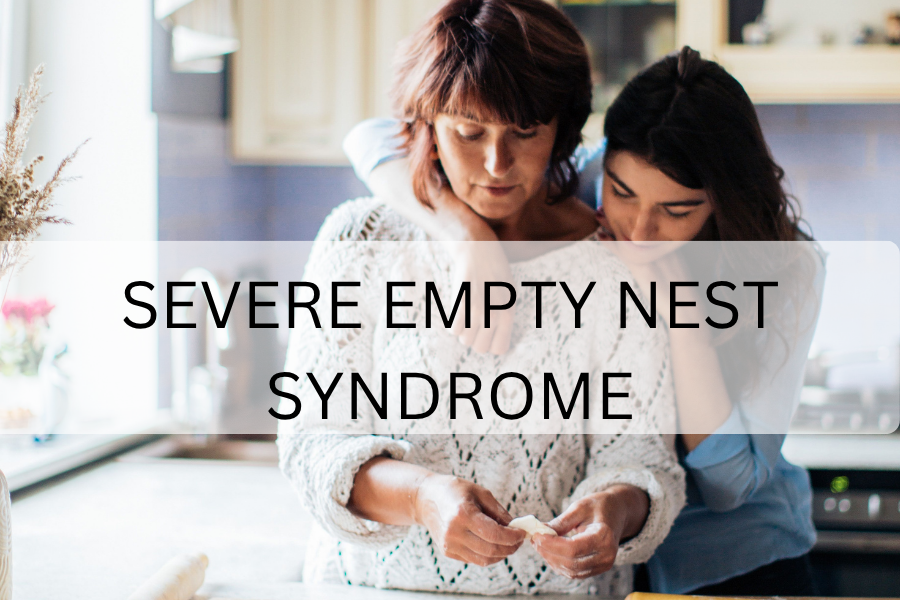
Do you feel that you might have severe empty nest syndrome?
First off, if you’re feeling a little lost or sad now that your kids are grown and out of the house, you’re not alone. Severe empty nest syndrome is super common, and honestly, it’s totally normal to feel this way. ( My mom and my mother-in-law acknowledge it, yes, because they’ve helped me write this post with their experience).
I’ve put together some of the most common signs to look out for, plus some simple tips to help you work through those feelings and start figuring out what this new chapter as a parent of adults can look like.
What is severe empty nest syndrome?
Empty nest syndrome is that mix of emotions you get when your kids move out. You might feel sad, lonely, even a little irritable or lost. It can sneak up on any parent, no matter your age or whether you’re a mom or dad. And honestly, it doesn’t just show up when your last kid leaves home. Sometimes it starts way earlier, like when your little one heads off to school for the first time, or when you realize your house is just a little too quiet.
1. How to get out of severe empty nest syndrome?
If you’ve ever looked for ways to cope with severe empty nest syndrome, you should know that having a child grow up and leave home is like grieving, but it’s a grief that touches many different aspects of who you are. For this post, I asked my mother, who went through this experience with us, her four children.
2. Start Coming Back to Yourself

When you’ve been a mom for 20 years and, overnight, your kids leave one after another, one of the first things you’ll feel is a loss of identity and a sense of emptiness. Yep, that loss of identity is tied to all the responsibilities you had as a mother, like cooking, driving them to practices, and checking in on them. It’s like a huge existential crisis that hits you right in the face. Let me tell you, according to my mom and my mother-in-law, these are normal emotions…
You need to understand and realize that you’ve fulfilled your role and that your “birds” are now ready to fly the nest. It’s a grieving process, but take the time to experience all those feelings of sadness and emptiness. Little by little, you’ll see your children again and realize that they’re doing just fine. But before you can get back to yourself, you’ll go through a period of longing, emptiness, and depression a necessary phase that will help you rebuild yourself afterward.
3. Give yourself permission to be frustrated

It’s also normal to feel a certain amount of frustration when you don’t know what your children are up to. But remember, your children are adults now, and you did the best you could to instill good values and rules of conduct in them. For my mother-in-law, it was harder because she felt not only that she was losing control (in the sense of protecting her children) but also that she was left out.
It can really be hard for many parents to let go…On the other hand, it’s not a good idea to be intrusive; it can even undermine your children’s independence and your relationship with them. Don’t try to impose yourself on their new, independent lives either, because that could have a negative impact.
4. Talk to your partner/support system.

Instead, try this: “I am currently at zero. I don’t have any mental capacity left to manage this.” Talk about your feelings and your emotions to someone you trust. Resisting this process will just make those built-up emotions worse later. So you just need to accept those emotions by journaling, talking to someone about it, and then suppressing them.
5. Lower your expectations towards yourself

When you’re running on empty, you can’t do everything. Trying to keep up just makes you crash harder. Decide what actually matters. Between anxiety, a loss of identity, a feeling of emptiness, and all these sudden changes, laundry can live in the dryer for days, dishes can hang out in the sink, and dust bunnies can have a party under the couch. If you spend your limited energy on stuff that doesn’t matter, you’ll have nothing left for your mental health. Seriously, no one is handing out awards for spotless sinks.
If your anxiety is overwhelming, don’t hesitate to see your doctor to talk it over. If you’re suffering from depression, have lost interest in most things, and feel like you can’t function anymore, make an appointment. Sometimes we don’t realize just how much pressure we’re putting on ourselves when we’re only human, and it’s normal to need help.
6. Reconnecting slowly with old interests

After a while, you’ll feel more ready to leave this severe empty nest syndrome behind. My mother-in-law has started meditating, has become busier with her grandchildren, and my mother has begun rereading several books and is working at a daycare to take care of little kids.
All this to say that you’ll eventually get used to this new life. Just because your children have left the family home doesn’t mean you have nothing left; on the contrary, their lives continue, and that’s thanks to you and everything you’ve invested in them. Between marital decisions and retirement (if you’re not working), you’re just as important. Get back in touch when you’re ready with all those things you put aside during the years when you were so busy.
7. Stop “Performing” Forced Happiness

Stop forcing yourself to smile when you’re miserable. Stop telling people “it’s all great!” when you’re drowning. You don’t have to pretend it’s going well. You’re not weak for feeling sad after 18-20 years of investing for your kids, and for feeling down because they’ve left the family home.
It’s a relief to finally tell a friend or a close neighbor, “Actually, I’m really struggling right now.” It breaks the isolation. When you stop pretending, you stop wasting energy on keeping up a mask. You might be surprised how many friends say, “Me too.” Find one person you can be completely honest with. The kind of friend you can text, “I cried about a spilled bowl of Cheerios today that reminded me of my kids when they were young,” and they reply, “Awn, it’s totally normal. Want me to bring you coffee and have a chat?”
8. Think about what brought you joy before
My mom used to love painting, but she didn’t have time for a big canvas and easel, so now that she does, she’s grabbed a small sketchbook and some markers.
She didn’t try to make a masterpiece. She just scribbled for ten minutes, but she feels good about it.
For her, it wasn’t about making art. It was about reminding herself that she’s still someone who likes to paint. Just a small way to take back a piece of who she was and still is!
The Truth About the Return to Yourself
Coming back from this emptiness isn’t like flipping a light switch. It’s more like slowly thawing out after a long, hard winter. You’ll feel a trace of your old self. You’ll hear a song and actually feel it. You’ll have a conversation with your child that feels real, rather than just going through the motions.
Then you’ll have a rough day because healing is never linear. The more you push it aside, the harder you’ll feel later.
The goal isn’t to feel empty again. The goal is to notice when your tank is getting low before you reach zero. It’s about learning your warning signs, like irritability, brain fog, or suddenly wanting to hide, and taking care of yourself before you crash.
Recognize your own triggers:
The “Five-Senses” Reset
If you feel a meltdown (yours or the kids’) coming, stop.
- Name 5 things you can see (the blue rug, the smudge on the window).
- Name 4 things you can touch (such as the fabric of your shirt and your own cold skin).
- Name 3 things you can hear (the hum of the fridge, a bird outside).
- Name 2 things you can smell.
- Name 1 thing you can taste.
This helps pull your brain out of the void and back into your body.
The Safe-Space Pivot
If your thoughts are too much, call someone, go for a run, take a bath
When to Seek More Help
I’m a mom, not a doctor. While much of this is about feeling stress, anxiety, sadness, or loneliness, sometimes the severe empty nest syndrome can mean something more serious.
If you find that:
- You no longer experience joy in anything, even things you used to love.
- You feel hopeless or trapped.
- You’re struggling with thoughts of harming yourself or others.
- Your sleep or appetite has changed a lot. Please talk to a therapist or doctor if you need to. There’s no shame in asking for extra help to get through this. Sometimes our minds need a little support before we can even start using all the advice. You’re not alone. If you’re reading this and still feel that heavy, empty feeling in your chest, I want you to know it’s okay.
You don’t have to be fixed by tomorrow. You don’t have to wake up and suddenly be the most energized, put-together version of yourself. See it as a natural process of life.
My mother-in-law once admitted to me that she was possessive and wanted to keep her children close. She had a hard time letting go, but now, five years later, she’s truly come to terms with it. The same goes for my mom and dad; they wanted so badly for me to come back, but now they’ve learned to appreciate this new situation.
You’ve spent so much time pouring yourself out for everyone else. Your cup is empty, and it takes time to refill it. Please be gentle with yourself.
“Will I ever feel like ‘me’ again?”
I can tell you from their experience: yes. But you won’t be the exact same person you were before and during your kids. You’ll be a new version. One that knows how to set boundaries, ask for help, and survive the storm. The “me” that comes back is usually stronger and more honest than the one who left.
This post was all about the 11 tips to conquer severe empty-nest syndrome
-Sarah