
When ADHD Makes Motherhood Feel Like a Constant Chaos
Meta Description: You’re not lazy. You’re not failing. Your brain just works differently. If ADHD makes motherhood feel like a constant storm of forgotten laundry and sensory overload, you’re not alone. Here is how we actually survive.
When ADHD Makes Motherhood Feel Like a Constant Chaos
I was standing in the middle of the kitchen with a piece of toast in my hand and absolutely no idea why I was there. My toddler was screaming because his sock felt “wrong,” the dishwasher was beeping, and I could see a pile of laundry on the couch that had been there since Tuesday.
I just stopped. For a second, I actually felt like I was glitching. Like my brain was a browser with seventy tabs open, and four of them were playing music I couldn’t find.
Then I looked down and realized I was wearing two different shoes. One sneaker, one slipper. I didn’t even remember putting them on. I just sat down on the floor, right there next to the sticky spot where the juice had spilled an hour ago, and I cried. Not because of the shoes, but because I felt like I was failing at the most basic parts of being a person.
If you’ve spent your day feeling like you’re running a race with your shoelaces tied together, I need you to hear this.
You aren’t lazy. You aren’t a “bad mom.” You aren’t failing. You are navigating motherhood with a brain that is wired for novelty and dopamine, not for the repetitive, grueling, invisible labor of raising a tiny human. It isn’t a character flaw. It’s just how your brain handles information.
For those of us with ADHD, motherhood can feel like a cruel joke. We are tasked with the ultimate executive function test—managing someone else’s entire life while we’re still struggling to remember where we put our own phone. It’s exhausting. It’s lonely. And honestly, it’s a lot.
Why ADHD and Motherhood Are a Rough Mix
Most of the parenting advice out there is written for people whose brains naturally enjoy lists. They tell you to “just get organized” or “use a planner.”
But for us, a planner is just a graveyard of half-finished lists and ink stains. When you have ADHD, the “simple” things—like folding laundry, packing a diaper bag, or remembering that it’s library book day—take ten times more mental energy than they do for everyone else.
The mental load of motherhood is already heavy. But when you add ADHD, it’s like trying to carry a hundred grocery bags while someone is screaming in your ear. You don’t just forget the milk; you forget that you were halfway through making a sandwich while you wandered into the garage to find a tool you don’t actually need.
It’s called executive dysfunction. It’s not a lack of will. It’s a disconnect between knowing what you need to do and actually being able to start doing it.
The “Doom Pile” and the Guilt of the Unfinished
I have a closet. Well, it’s supposed to be a closet. In reality, it is a “Doom Pile” (Discarded Objects, Only Moved). It’s where things go when I don’t know where they belong, so I put them there “for now.”
The problem is that “for now” becomes six months.
When you have ADHD, you often experience “object permanence” issues. If the laundry is in the dryer, it basically ceases to exist. If the mail is in a pile on the counter, it becomes a blur of white paper that your brain simply refuses to process.
Then the guilt hits. You see other moms on Instagram with their perfectly labeled bins and color-coded wardrobes, and you feel like a fraud. You wonder if your kids will remember you as the mom who always lost their favorite stuffed animal or the one who forgot it was pajama day at preschool.
But here is the truth: your kids don’t need a curated home. They need a mom who is present. And it’s hard to be present when you’re spiraling because you can’t find the scissors.
How to Stop the Spiral When You’re Overwhelmed
We’ve all been there. The moment where the noise becomes too loud, the mess becomes too much, and you feel a surge of “mom rage” or a desperate need to hide in the pantry with a bag of chips.
When my brain hits that wall, I used to try to push through it. I’d tell myself “just do the dishes, just focus.” That never worked. It just made me more frantic.
Instead, I had to learn how to “reset” my sensory environment.
Drop the “Shoulds” Immediately
The most dangerous word in an ADHD mom’s vocabulary is “should.” I should be able to handle this. I should have the house clean by now. Those “shoulds” are just fuel for the shame fire. When you feel the chaos rising, stop the “shoulds.” Replace them with “what is actually happening.” I am overwhelmed. The noise is too loud. I need a minute.
The Five-Minute “Brain Dump”
When my head feels like it’s exploding with a million tasks, I grab a piece of scrap paper. I don’t use a fancy planner. I just scribble everything out. “Buy diapers. Call the pediatrician. Find the blue shoe. Wash the towels.” Once it’s on paper, my brain stops looping the reminders, which lowers my anxiety.
The “Low-Bar” Win
On the worst days, I set the bar so low it’s practically on the floor. If I can get everyone fed and safe, that is a successful day. If the only thing I accomplish is putting one load of laundry in the washer (even if it sits there for three days), that’s a win. Give yourself permission to do a “C-minus” job some days.
Dealing with Sensory Overload and Mom Rage
ADHD doesn’t just affect your focus; it affects how you process the world. The sound of a toddler screaming, the feeling of sticky hands on your legs, and the constant “Mom! Mom! Mom!” can lead to sensory overload.
For many of us, this overload manifests as rage. Not because we’re mean, but because our nervous system is screaming “DANGER!” and we go into fight-or-flight mode.
The “Pause Button” Script
I used to just snap. Now, I try to use a script. I tell my kids, “Mommy’s brain is feeling too loud right now. I need to take a deep breath so I can be a kind mommy.” I might even step into the hallway for thirty seconds. It models emotional regulation for them and saves me from the guilt of yelling.
Noise-Canceling Headphones are a Lifesaver
I know it sounds weird, but wearing loop earplugs or noise-canceling headphones (even with nothing playing) can dampen the “edge” of the noise. It doesn’t make the kids go away, but it stops the sensory input from hitting your brain like a physical blow.
The “Touch-Free” Zone
When I’m deeply overstimulated, I tell the kids, “Mommy needs a ‘no-touch’ break for five minutes.” We set a timer. They know that when the timer goes off, I’m back. It gives my nervous system a chance to settle without the constant physical demand on my body.
Practical Systems That Actually Work for ADHD Brains
Stop trying to use a system designed for neurotypical people. If a system feels like a chore, you will stop doing it. The goal isn’t to be organized; the goal is to make your life easier.
Visual Cues Over Hidden Storage
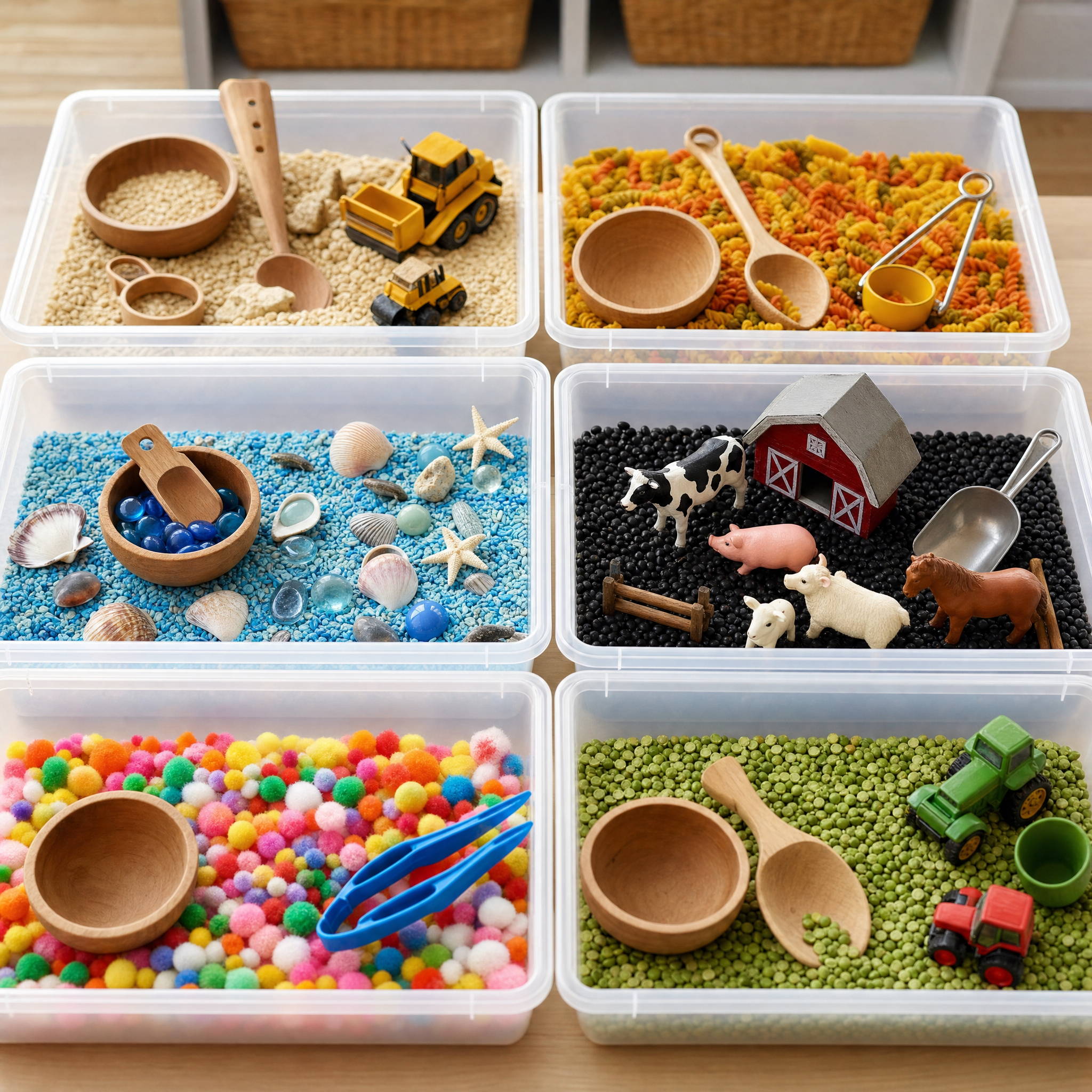
If I put something in a drawer, it’s gone forever. Now, I use open bins. I can see the diapers. I can see the wipes. If it’s visible, it exists. If you’re struggling with “doom piles,” try clear plastic bins. It’s much harder to forget what’s inside when you can see the chaos through the plastic.
The “Launch Pad” Strategy
I have one spot by the door. Just one. That is the only place where bags, shoes, and keys go. If it’s not on the launch pad, it doesn’t exist. I’ve spent years fighting this, but the key is to make it the path of least resistance. Instead of “putting shoes away,” the goal is just “getting them to the pad.”
Body Doubling (The Magic of Company)
Have you noticed that you’re more likely to clean the kitchen if a friend is standing there chatting with you? That’s called body doubling. ADHD brains often need another presence to stay on task. If you don’t have a friend over, try a “Clean With Me” video on YouTube or a phone call to your sister while you fold laundry.
The “Don’t Put It Down, Put It Away” Mantra
This is a struggle, but it’s a game-changer when it clicks. I try to tell myself: Don’t put it down, put it away. Instead of putting the mail on the counter (where it will live for a month), I force myself to put it in the bin immediately. It takes two extra seconds, but it saves two hours of stress later.
Managing the Mental Load Without Losing Your Mind
The mental load is the invisible work of motherhood: remembering the size of the kids’ shoes, knowing when the library is closed, and planning the meals. For an ADHD mom, this is where the burnout happens.
Externalize Everything
Your brain is for having ideas, not holding them. Use an app, a whiteboard, or a shared digital calendar with your partner. If it’s not written down, it doesn’t exist. I stopped trying to “remember” things years ago. Now, if I think of something, I voice-memo it into my phone immediately.
The “Same-ish” Routine
Routines are hard for us because they’re boring. Instead of a rigid schedule (8:00 AM Breakfast, 8:30 AM Dressing), try a “rhythm.” Morning is for eating and dressing. Afternoon is for playing and napping. This gives you the flexibility to be “chaos-friendly” while still providing the kids with a general sense of what comes next.
Ask for Specific Help
“Can you help me around the house?” is a useless request for an ADHD mom. It’s too vague. We need specificity. Instead, tell your partner, “I need you to take the trash out and put the dishwasher away.” By removing the “deciding” part of the task, you free up mental space.
When ADHD and Emotional Trauma Collide
For many of us, ADHD didn’t come alone. Maybe you grew up in a home where your “messiness” was shamed, or your “distractibility” was called laziness. When you become a mother, those old voices come back, louder than ever.
You might find yourself overcompensating, trying to be the “perfect” mom because you’re terrified of being “the messy one” again. This is a fast track to burnout.
Breaking the Cycle of Shame
I spent years apologizing for my ADHD. “Sorry I’m late,” “Sorry the house is a mess,” “Sorry I forgot.” I had to realize that apologizing for how my brain works doesn’t fix the problem—it just feeds the shame. Now, I try to focus on the solution. Instead of “Sorry I forgot the snack,” I say, “Oops, I forgot the snack! Let’s see what else we have in the car.”
Healing the Inner Child
Sometimes, when my toddler is having a meltdown, it triggers a memory of my own childhood struggles. I’ve learned to take a breath and realize that I can give my child the grace I never received. By being patient with them, I’m actually practicing being patient with myself.
Permission to be “Imperfect”
Your kids won’t remember if the baseboards were dusty. They’ll remember that you played Legos with them on the floor for an hour. They’ll remember that you’re the mom who gets excited about the same things they do. Your ADHD often comes with a level of creativity and spontaneity that kids actually love. Lean into that.
The Reality of ADHD Burnout
There is a difference between being “tired” and being “burned out.” Tired is fixed by a nap. Burnout is a state of total exhaustion where you feel disconnected from everything.
For ADHD moms, burnout often happens because we are spending 100% of our energy just trying to appear “normal.” We are masking our struggles, fighting our own brains, and carrying a load we weren’t built for.
Recognizing the Signs
If you find that you can’t make a simple decision (like what to have for dinner) and it makes you want to cry, you’re hitting a wall. If you feel a deep sense of apathy toward things you usually love, or if your “mom rage” is happening more frequently, your brain is telling you it’s out of fuel.
The “Emergency Reset” Plan
When I’m on the edge of burnout, I do an emergency reset. I lower the standards for a week. Paper plates for dinner. Pajamas all day. Extra screen time for the kids so I can stare at a wall in silence. It’s not “good parenting” in the textbook sense, but it is survival parenting. And survival is the only goal when you’re burned out.
Finding Your People
Isolation is the enemy. When you’re the only one in your circle who seems to be struggling with basic organization, you feel like a failure. Finding other neurodivergent moms—whether online or in person—is like a breath of fresh air. Realizing that other people also have “doom piles” and “glitch moments” takes the power away from the shame.
Simple Tools for the “Chaos Days”
Sometimes, a few small changes can make a big difference. I’m not talking about a total home makeover, but small “hacks” that work with your brain, not against it.
The “One-Touch” Rule
If you can do a task in under two minutes, do it now. If you pick up a toy, don’t put it on the table “for later”—put it in the bin now. It sounds simple, but for us, “later” is a black hole where things disappear.
Tying Tasks Together (Temptation Bundling)
I can’t stand folding laundry. It’s the most boring task in existence. So, I only allow myself to listen to my favorite true-crime podcast while I’m folding. Now, my brain associates the laundry with the “reward” of the story.
Visual Timers
ADHD brains struggle with “time blindness.” We think five minutes have passed when it’s actually been twenty. Use a visual timer (like a sand timer or a digital countdown) so you and the kids can see the time disappearing. It helps with transitions and prevents the “I’m not done yet!” meltdowns.
The “10-Item Dash”
When the house is a disaster and I feel paralyzed, I tell my kids, “Let’s do a 10-item dash!” We each find ten things that don’t belong and put them away as fast as we can. It turns a daunting chore into a quick game, and it gives the brain a hit of dopamine from the “win” of finishing.
Common Questions About ADHD and Motherhood
I’m not officially diagnosed, but I relate to everything. Should I seek help?
If your struggles are impacting your quality of life or your relationship with your kids, it’s worth talking to a professional. Whether it’s a formal diagnosis or just learning ADHD coping strategies, having a name for what’s happening in your head can be incredibly freeing. It moves the problem from “I’m a bad person” to “My brain processes things differently.”
How do I explain my ADHD to my kids?
You don’t have to use clinical terms if they’re too young. You can just tell them, “Mommy’s brain is like a little firecracker—it’s very exciting and creative, but sometimes it forgets things or gets overwhelmed by noise.” It teaches them that everyone’s brain is different and that it’s okay to need help or a break.
My partner doesn’t “get” why I struggle with things that seem so easy. What do I do?
This is a common friction point. Try explaining it as “executive function” rather than “forgetting.” Tell them, “I know it looks like I’m just forgetting the dishes, but my brain is actually struggling to sequence the steps to get it done.” Using a “team” approach—where you both tackle the mental load—is much more effective than one person being the “manager” and the other the “helper.”
Does medication actually help with the “mom” part of ADHD?
For many, it does. It can help with the focus and the emotional regulation. But everyone is different. Some find that the “crash” from medication makes them more irritable in the evenings. If you’re considering it, talk to a doctor who understands the specific needs of moms (like breastfeeding or sleep deprivation).
You Are Doing Better Than You Think
I want you to take a second and look at your kids.
They don’t see the laundry pile. They don’t see the two different shoes. They see the mom who makes them laugh, who gives the best hugs, and who understands what it’s like to feel “too much” of everything.
The parts of your brain that make motherhood hard are often the same parts that make you a wonderful, empathetic, and creative parent. Your ability to think outside the box and your spontaneous energy are gifts to your children.
Put some of the guilt down. You don’t have to carry all of it.
You aren’t behind. You’re just human. And you’re doing a really hard thing with a brain that prefers the scenic route.
If you’re feeling like the chaos is winning today, just remember: tomorrow is a fresh start. And if tomorrow is also chaotic? That’s okay too. We’ll just handle it one “10-item dash” at a time.
*
If you’re feeling overwhelmed by the daily grind and need some practical, low-pressure ways to keep your sanity, I’ve put together a few resources that actually work for us. Check out the Toddler Mom Sanity Saver Bundle for some simple tools that don’t require a perfect brain to use. We’re in this together.